
Chettinad Sporting Has Become One of Indian Rallying’s Useful Bridges
From Fabid Ahmer’s INRC2 wins to Tarushi Vikram’s Women and Junior results, Chettinad Sporting keeps putting competitive crews into the same fight.
Created using advanced editorial technology. Reviewed and approved by ViPeople.
Photograph: Anand Philar- Team
- Chettinad Sporting
- Recent front-runner
- Fabid Ahmer / Milen George
- Women’s programme
- Tarushi Vikram and other crews
- 2026 South India Rally
- Fabid third overall and INRC2 winner
- Role
- Competitive team and development route
A healthy rally field needs teams that can do more than occupy an entry list. Chettinad Sporting has increasingly become one of the places where drivers arrive with ambition and leave with a result they can build on.
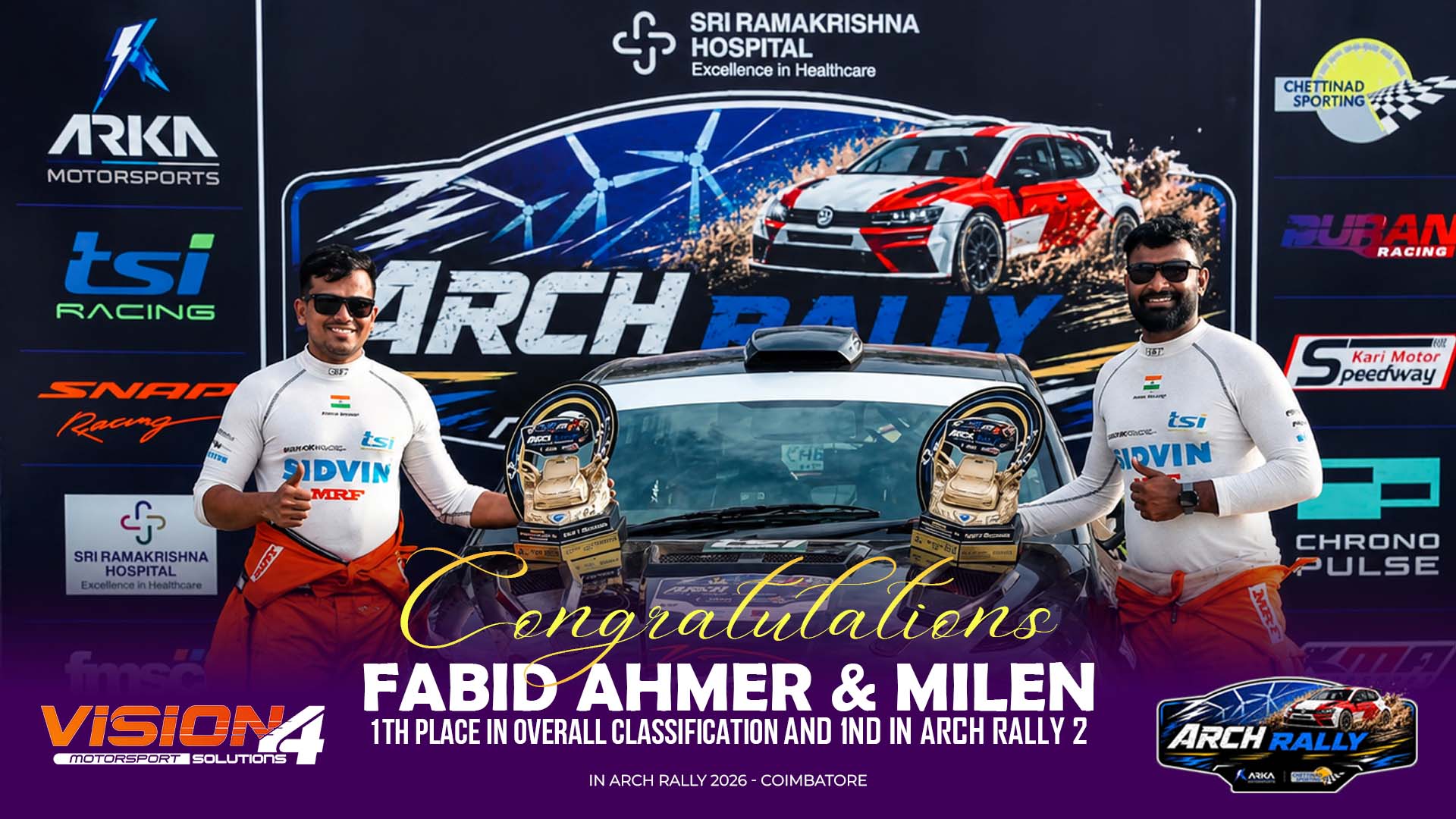
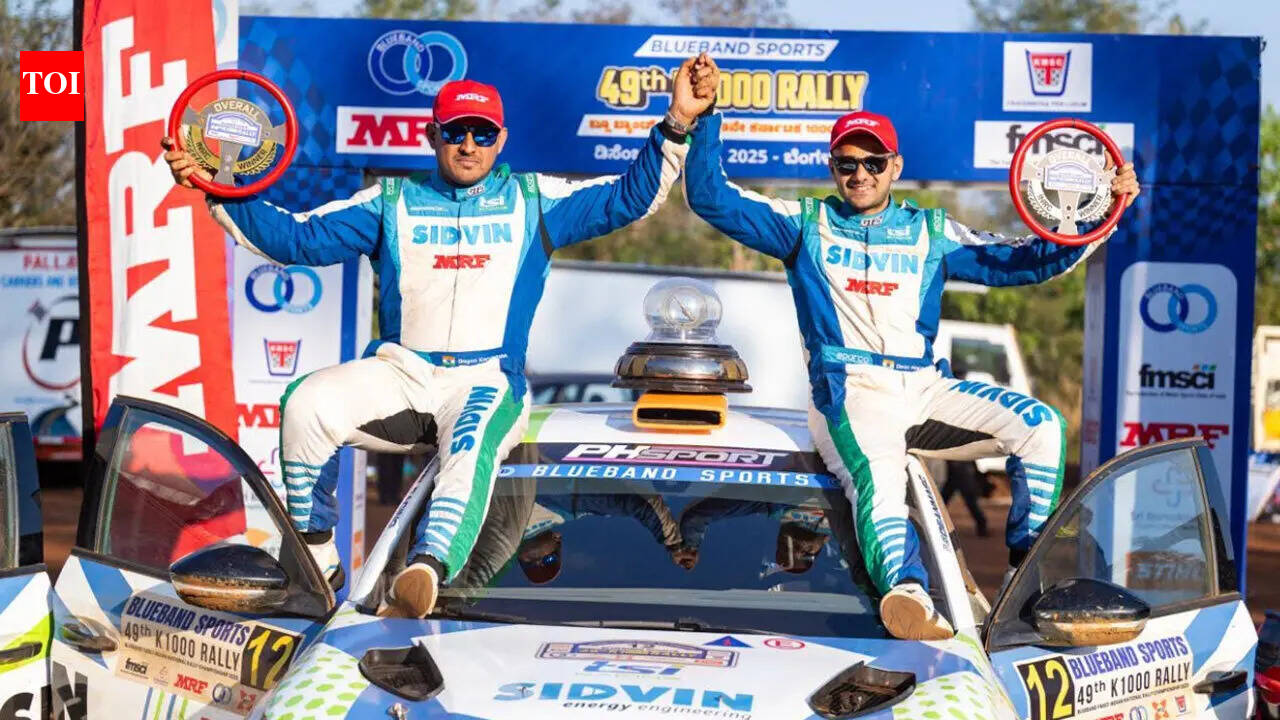
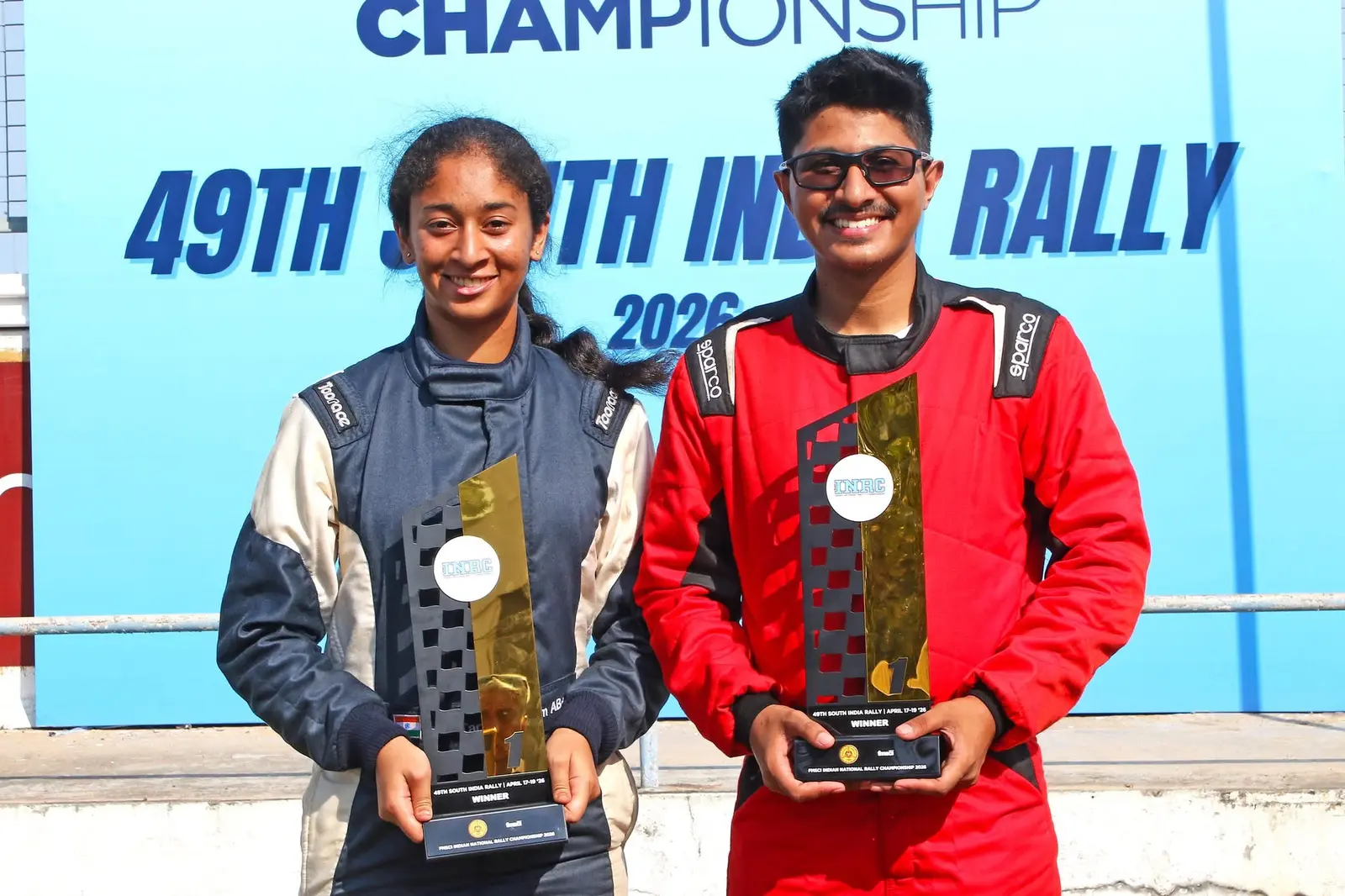
At the 49th South India Rally, Fabid Ahmer and Milen George finished third overall and won INRC2 for Chettinad Sporting. Tarushi Vikram and Vybhav Mukund Rao won the Women INRC class, while the team’s broader entry carried several drivers into the same demanding weekend.
A team needs multiple story
The strongest part of Chettinad’s identity is the spread of its programme. There is a proven front-running crew, a women’s entry that keeps changing expectations and class-level competition that gives less-established drivers a visible route forward.
That continuity matters in India because rallying is expensive and often fragmented. A driver may have pace but no car, a car but no testing, or a result without the support to repeat it. A team such as Chettinad Sporting becomes a bridge between those pieces.
The ARCH Rally result gave Fabid another victory in a different programme, but his longer Indian story also runs through Chettinad. The team’s contribution reaches beyond the biggest trophy. Its value is measured by how many crews get a serious chance to chase one.
A team with room for people
The most useful teams in rallying create room for several ambitions at once. One crew may be chasing the overall result, another may be learning a new class and a young driver may be discovering what a national event feels like from inside a competition car. Keeping those programmes together requires organisation, patience and a belief that development is part of performance.
Chettinad Sporting has shown that range through its recent events. Fabid and Milen brought front-running pace, while Tarushi and the other women’s entries gave the programme a wider cultural importance. Their results were earned on the same roads, with the same weather and the same service pressure as every other crew in the field.
That is the bridge the team provides. A driver can arrive with talent and leave with clearer evidence, better habits and a stronger idea of the next target. Indian rallying needs more of those bridges because a championship becomes healthier when opportunity is distributed across the paddock. Chettinad Sporting is helping create that health one entry at a time.
A bridge between ambition and experience
A healthy rally programme has space for a driver chasing the overall result and a younger competitor learning the language of a national event. Chettinad Sporting has become useful because it can hold those ambitions together. The team gives each crew a serious setting, while allowing the wider weekend to remain welcoming.
Fabid and Milen bring front running pace, while the women’s and junior entries add a different form of energy. Every crew faces the same road, the same service clock and the same need to finish with the car intact. That shared challenge gives the programme its credibility.
A driver leaves with more than a result. They take away a clearer understanding of preparation, communication and the next target. Indian rallying needs bridges like this if its talent is to keep moving.