
Russell’s Singapore Reset Turns the Spotlight on Mercedes
George Russell starts from the back after a power-unit penalty, while Mercedes gives Kimi Antonelli its latest package. A final Sprint weekend and a resurgent title fight make Singapore a revealing test.
Photograph: Formula 1 / Getty Images- Event
- Singapore Grand Prix · 9-11 October 2026
- Format
- The final Sprint weekend of the 2026 season
- George Russell
- Power-unit changes force a start from the back of the grid
- Mercedes comparison
- Russell reverts to an earlier package, while Kimi Antonelli has the latest updates
- Championship context
- Antonelli holds an 84-point lead in the Drivers’ Championship
- McLaren concern
- Lando Norris says the team must improve its recent straight-line-speed performance
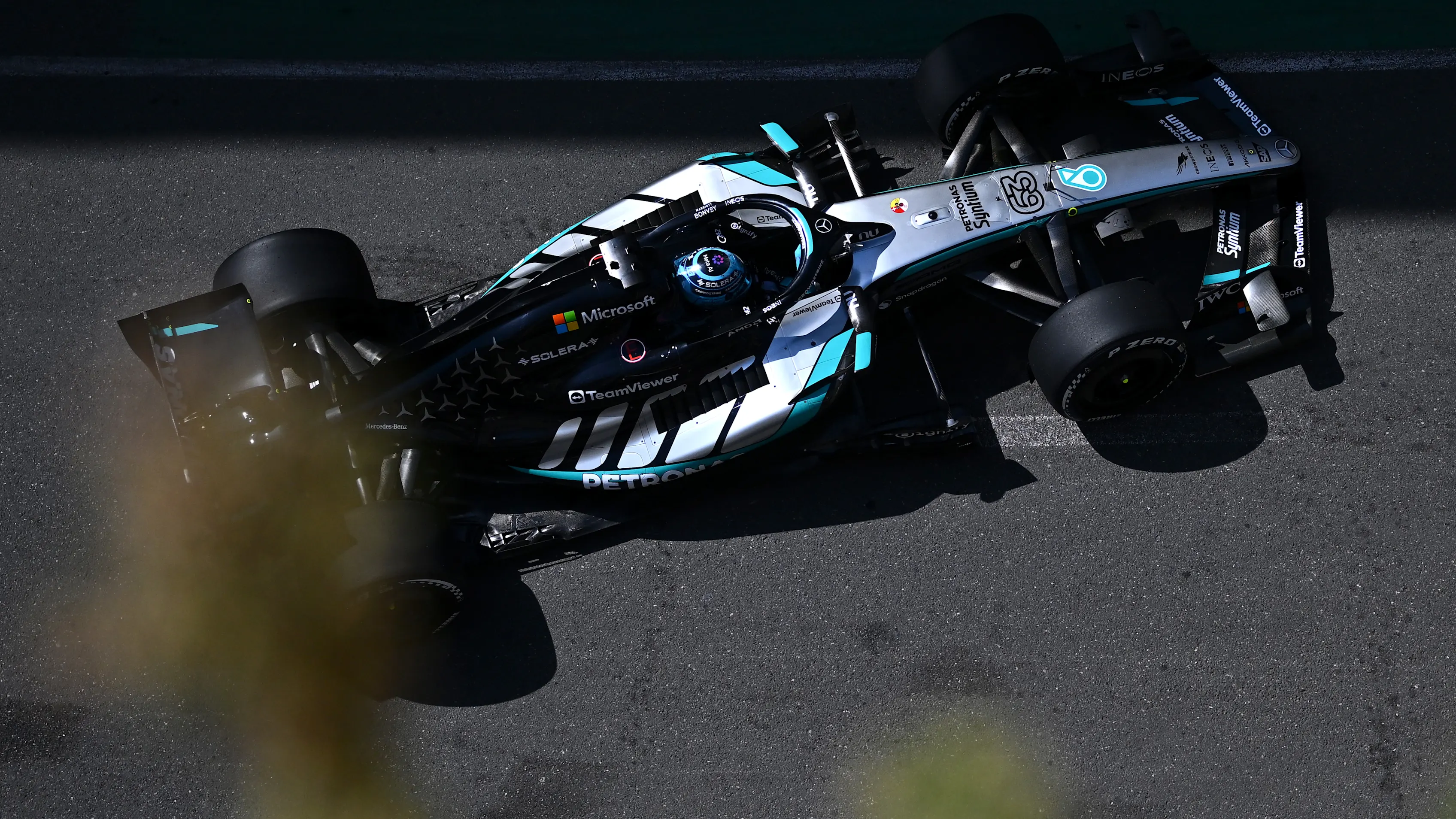
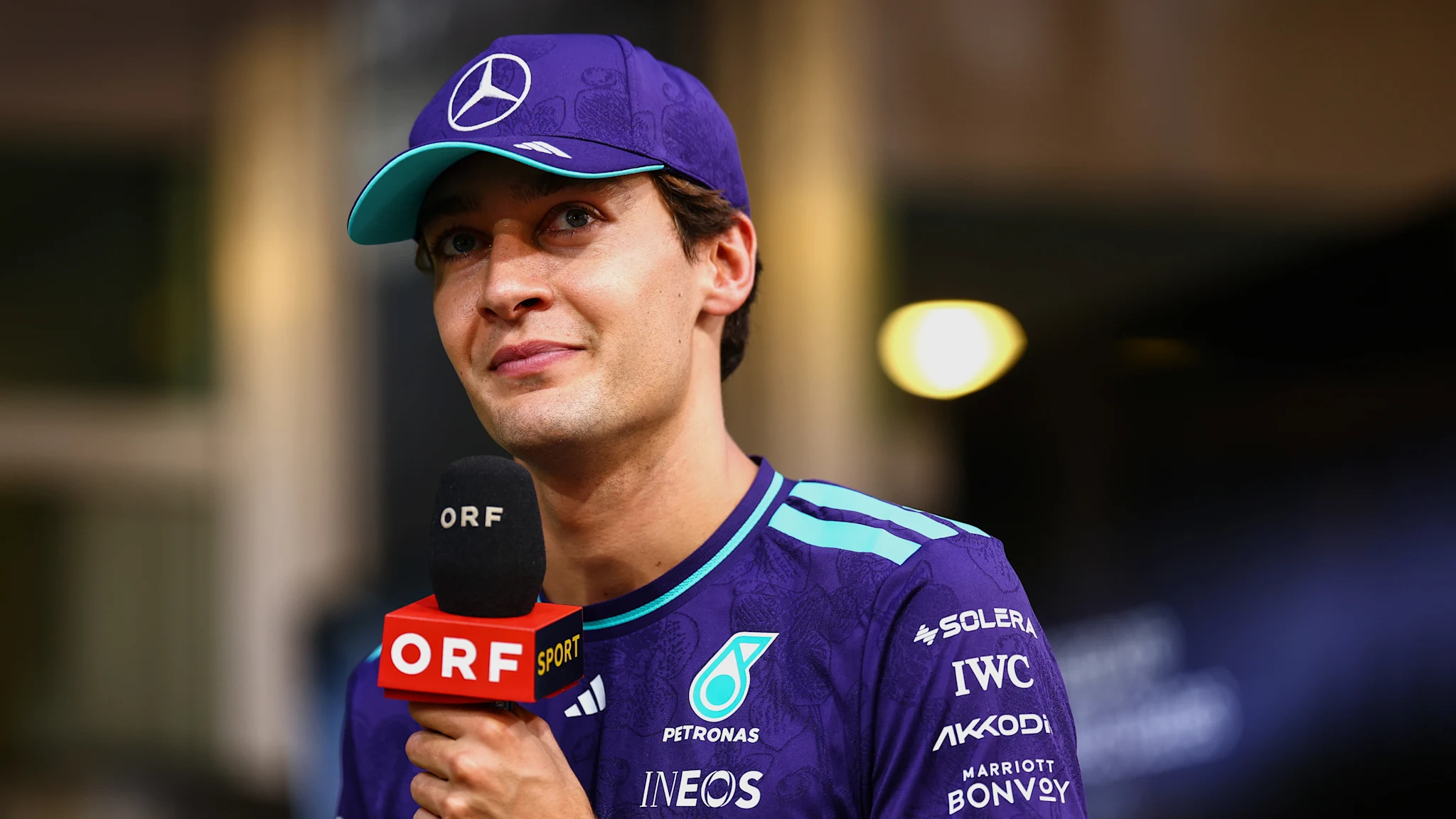
George Russell will begin the Singapore Grand Prix from the back of the grid, but the penalty is only the most visible part of a weekend that has turned into a live comparison for Mercedes. Kimi Antonelli arrives with the team’s newest updates. Russell will return to an earlier package after power-unit changes forced by consecutive retirements in Bahrain and Malaysia. One street circuit, two specifications and a championship that still has room to move: Singapore should tell the team something useful.
The 9-11 October event is the final Sprint weekend of the 2026 season. It offers one practice session before the cars are committed to a compressed schedule, leaving little time to recover from a misjudged setup. Singapore rewards confidence over kerbs and under braking, yet the long, humid night race can punish tyres and concentration. The format adds urgency to the engineering question Mercedes brings with it.
A penalty becomes a development opportunity
Russell’s power-unit changes carry a sporting cost. Formula 1 reported that he would start from the rear after the component changes, with the exact penalty depending on the elements used. The situation follows retirements in Malaysia and Bahrain, and leaves Russell facing the unusual job of turning a difficult grid position into a weekend of useful information. Starting at the back changes the points target, but it can also free the team to look at strategy and long-run behaviour from a different position.
The more interesting technical contrast is that Russell will use an earlier Mercedes package while Antonelli has the latest updates. That is not a controlled laboratory test. The drivers will face different traffic, race positions and tyre windows, and Singapore is a circuit where track position can distort comparisons. Still, having both cars on different configurations gives the team a reference point as it decides which parts of the new package are delivering the expected gain.
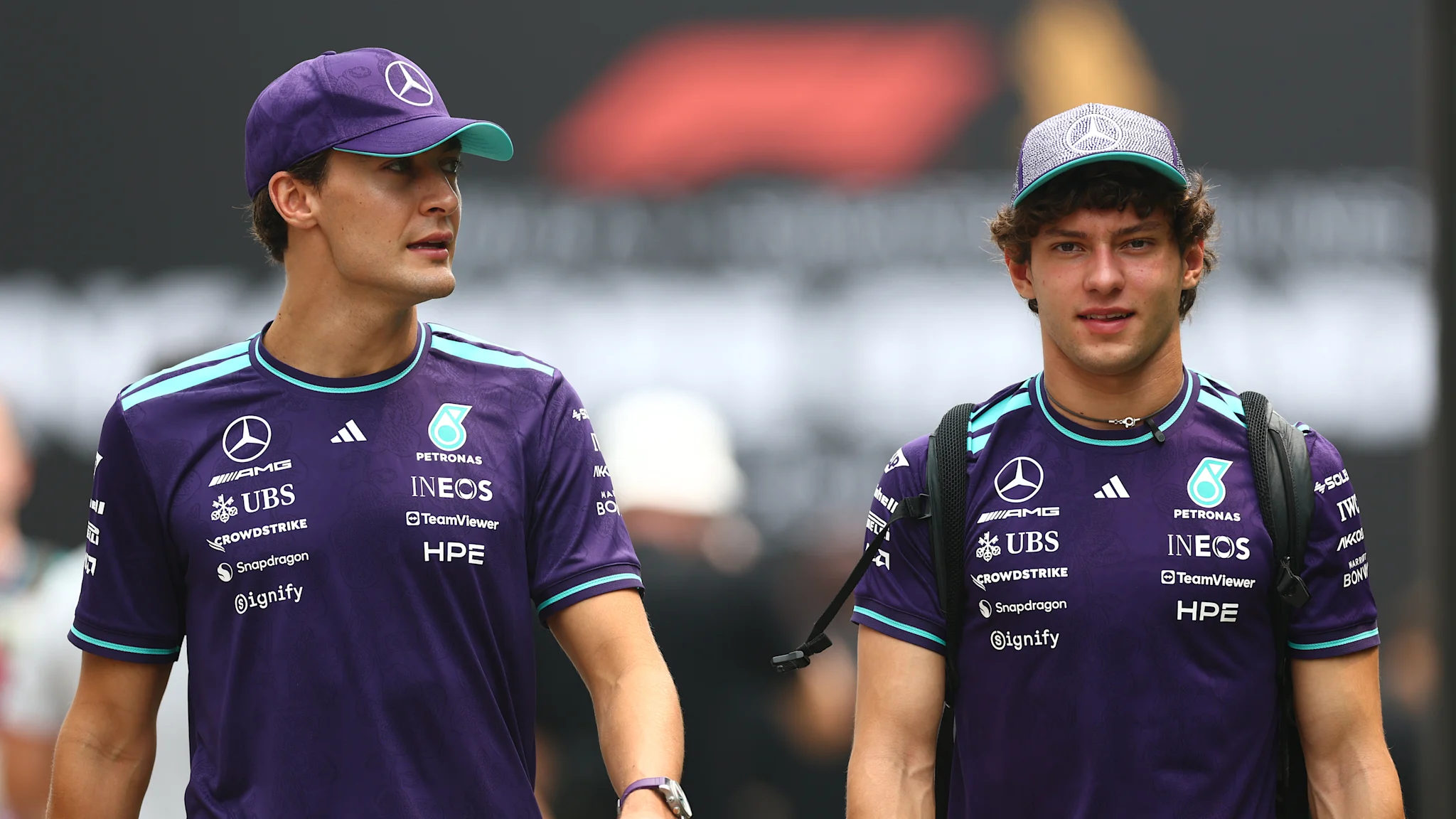
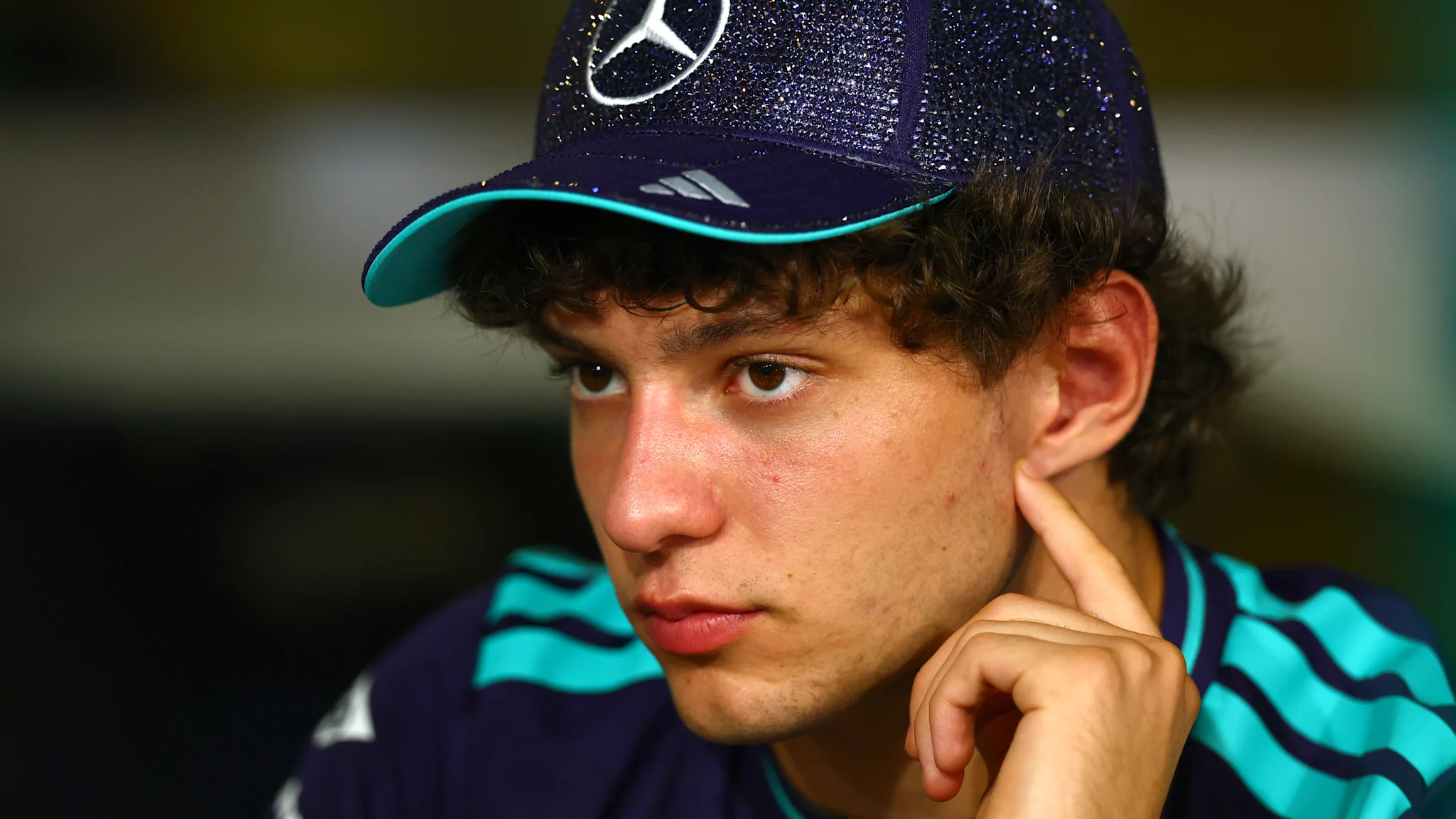
Antonelli’s position in the championship gives the experiment a sharper edge. He holds an 84-point lead, so the team can approach the weekend with a meaningful cushion, though no one at Mercedes can treat a Sprint event as routine. The shorter format reduces practice time and makes a clean first session valuable. Antonelli needs to convert the latest package into a stable qualifying platform, then protect the tyres across a weekend with two race starts.
McLaren arrives with speed to recover
McLaren’s questions are different. Lando Norris has said the team needs to do a better job after underperforming at Baku and Sepang, and he hopes a recent straight-line-speed issue will be cured in Singapore. The concern is significant because the circuit’s layout asks for multiple kind of performance. The long straights reward efficient deployment and low drag, while the tight sections demand traction, front-end confidence and a car that can change direction without upsetting its tyres.
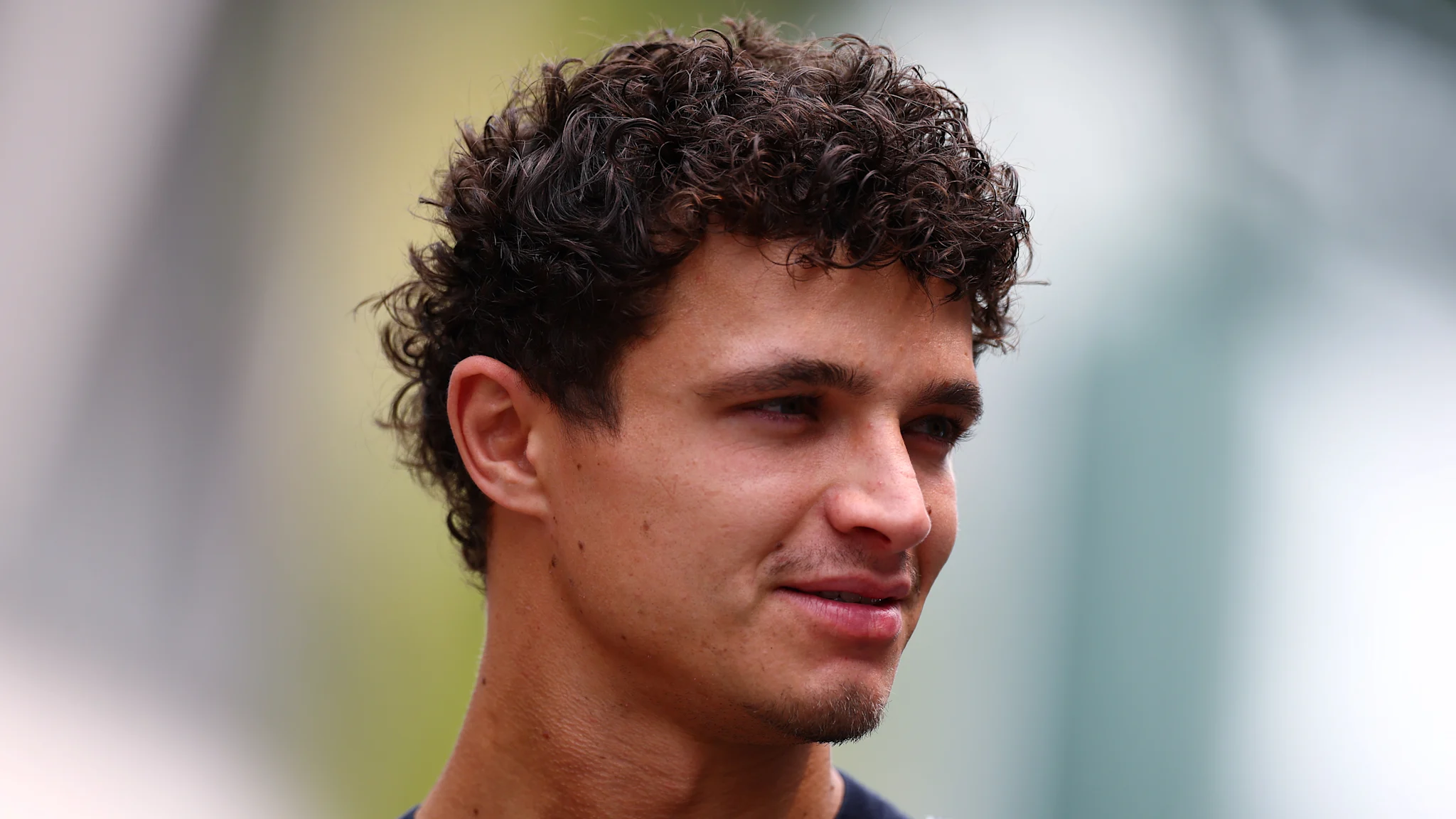
A 316-point total had McLaren third in the Constructors’ standings at the time of Norris’s comments. That is a solid platform, but a team with title ambitions measures itself against the pace it expects to have, also the points it already banked. Singapore is a chance to show that the recent weakness was tied to specific circumstances rather than a broader loss of competitiveness.
A street circuit that exposes small compromises
Singapore is a demanding place to judge a car because its lap is assembled from many different kinds of work. Drivers need enough front response to rotate through slow corners, enough mechanical grip to launch cleanly and enough composure to ride the kerbs without losing the next braking point. The walls make mistakes expensive, and the heat turns a long run into a physical test. A car that feels sharp for one lap can become a harder proposition when the tyres and driver have to manage the full distance.
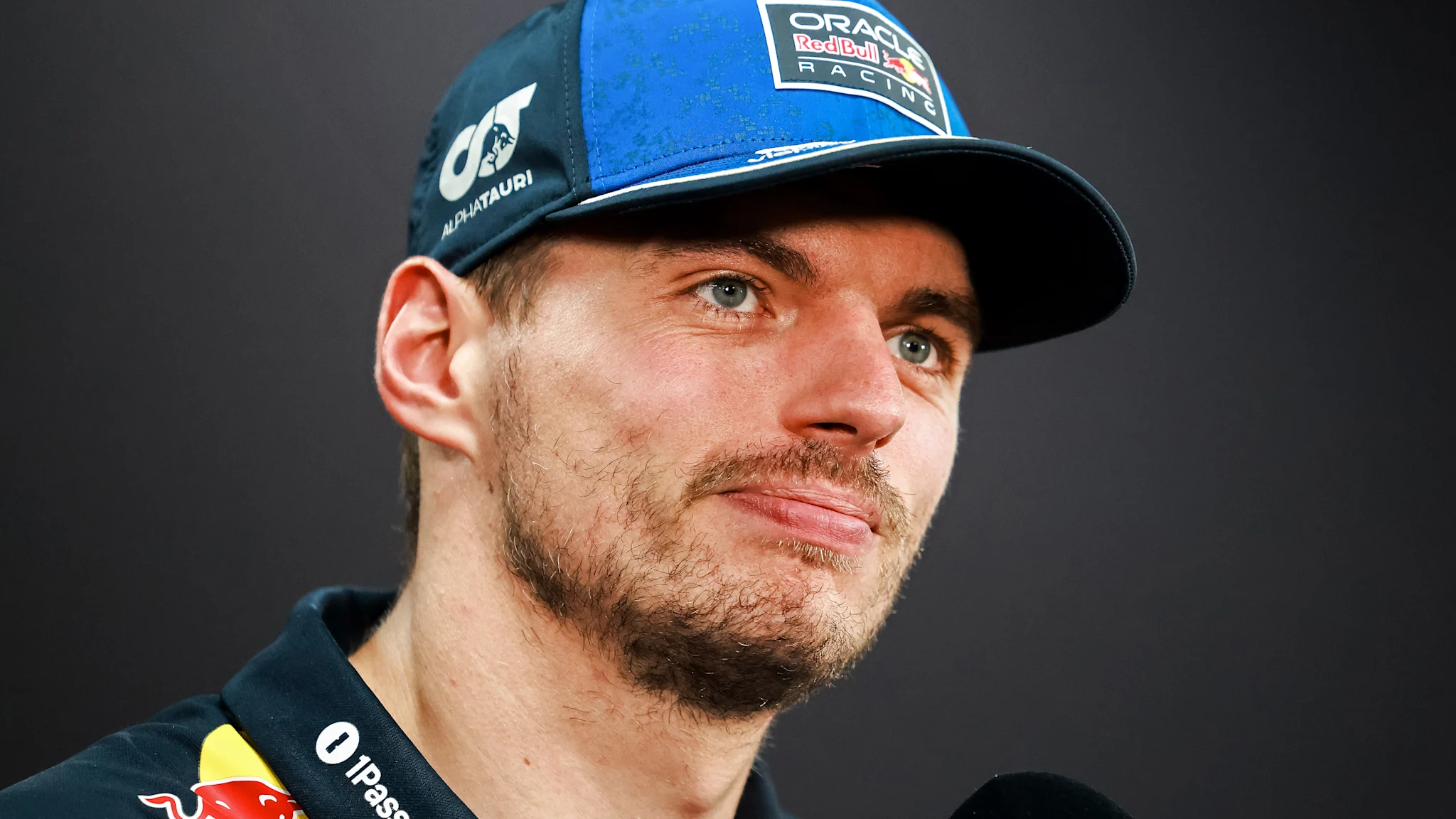
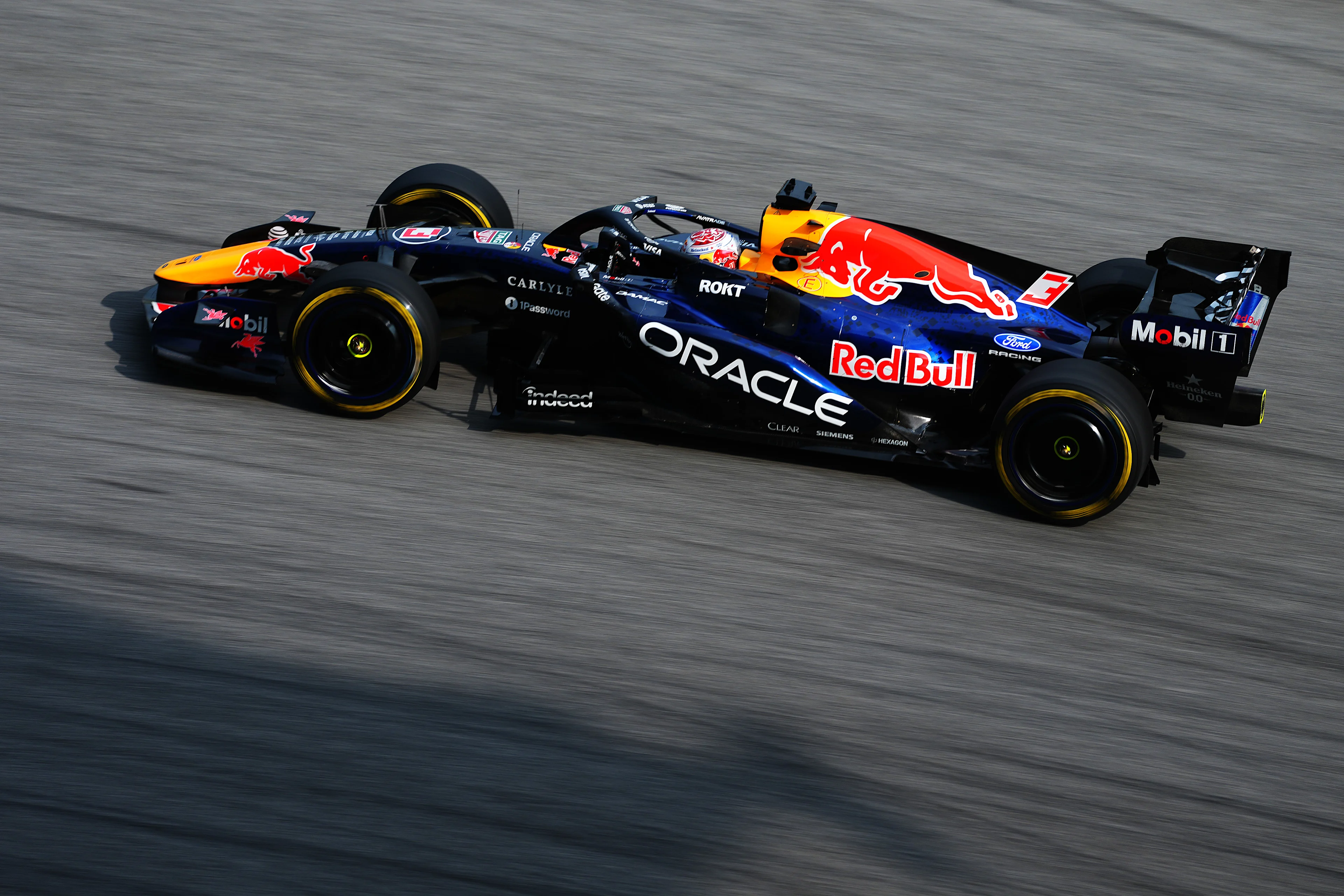
For Red Bull and Max Verstappen, Singapore also offers a chance to measure recent momentum against a circuit that has often punished cars with small balance weaknesses. The field arrives with a compressed timetable and limited running, so the opening practice hour may be less about headlines than about avoiding an early wrong turn. The team that reads the surface, traffic and tyre behaviour most quickly will gain an advantage before qualifying begins.
| Question | What is known before the weekend |
|---|---|
| Dates and format | 9-11 October 2026 · final Sprint weekend of the season |
| Russell | Power-unit changes mean a start from the back of the grid |
| Mercedes comparison | Russell uses an earlier package, while Antonelli has the latest updates |
| Championship | Antonelli leads by 84 points |
| McLaren | Norris wants the team to resolve a recent straight-line-speed concern |
A weekend for answers, not easy predictions
The story in Singapore is not simply whether Russell can charge through the field or whether Antonelli can extend his lead. It is whether Mercedes can turn an awkward weekend into a clear development read, and whether McLaren can make its speed concerns disappear where the lap gives little room to hide them. The Sprint format compresses the evidence, but it also gives every session a purpose.
Russell’s grid position sets the drama. The split packages set the question. Around them, Norris and Verstappen arrive with their own reasons to watch closely. Singapore is often described as a survival race, but this year it also looks like a useful measuring point: a night beneath the lights where the championship leader has the newest car, his team-mate has a different one and the challengers need to show that their speed is still there.