
Sambudla Takes the Lead as Mehta Makes History at Madras
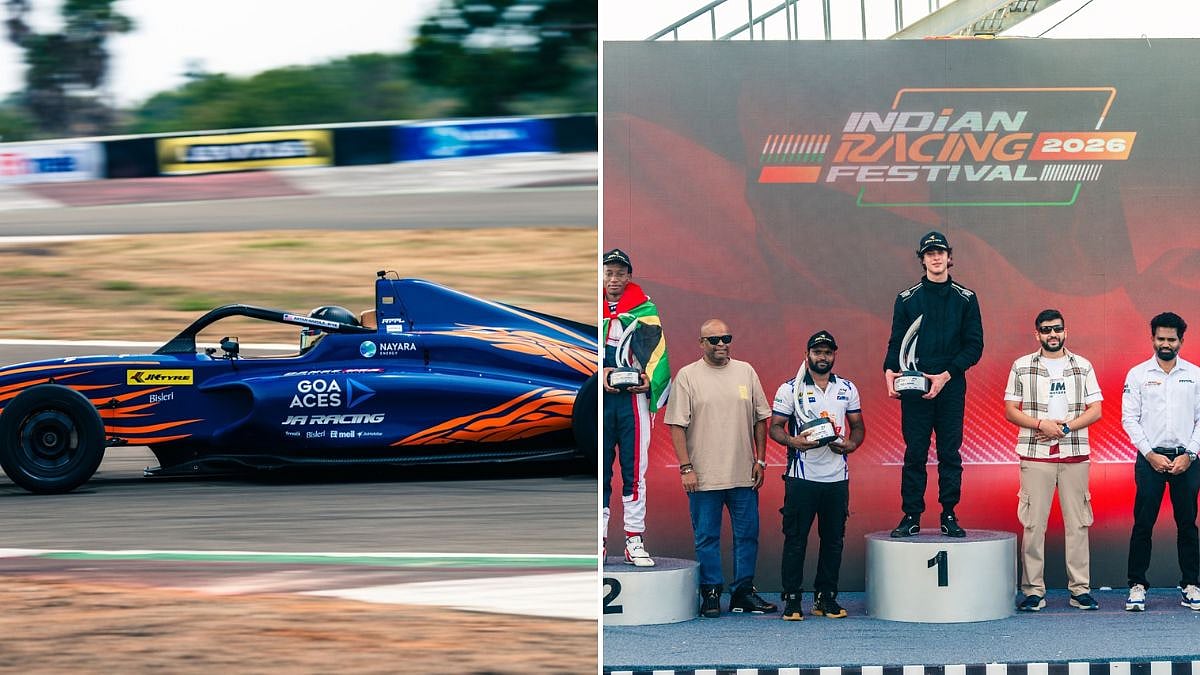
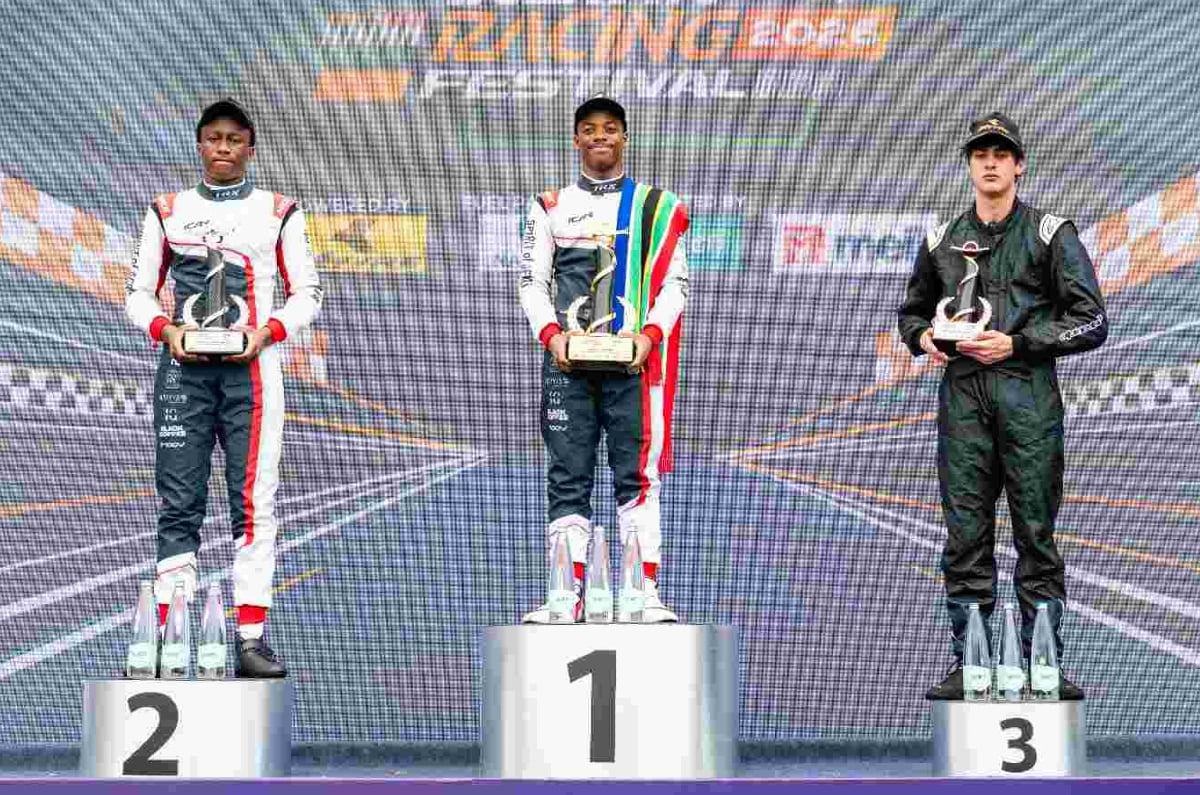
Luviwe Sambudla won twice at the Madras International Circuit to take command of the F4 Indian Championship, while 15 year old Aaron Mehta became its youngest race winner. The weekend also opened the Indian Racing League season with a close first victory for Shahan Ali Mohsin.
- Series
- F4 Indian Championship
- Round
- Round 3 · Madras International Circuit
- Round winners
- Luviwe Sambudla twice · Aaron Mehta once
- Youngest winner
- Aaron Mehta, aged 15
- Championship lead
- Sambudla leads Aris Kyriakou by 21 points
- Indian Racing League
- Shahan Ali Mohsin wins the eight lap opener
- Classification
- Three F4 races completed at Madras
The Madras International Circuit gave its latest F4 weekend a finish with two stories still unfolding. Luviwe Sambudla left with two victories and the championship lead. Aaron Mehta left with a first win that will stay in the record book: at 15, the Kolkata Royal Tigers driver became the youngest winner in F4 India history. Three races produced a shifting lead, a rain marked finale and the kind of result that opens a season wide again.
This belongs in 4W Racing. The cars started together on a permanent circuit and the contest was decided by position, pace and the changing grip of a race track. It shares a national motorsport calendar with the INRC, but the disciplines ask for different things. Rally crews read a changing road from notes and memory. At Madras, the drivers had to keep returning to the same corners, finding small ways to carry speed without asking too much of the tyres.
Sambudla made the first two races his own
Race one began with Sambudla sixth on the grid and Aris Kyriakou in front. The early laps asked the field to hold its line through the first sequence and keep enough tyre for the fight that would come later. On lap nine, Kyriakou lost rear grip and the lead changed hands. Sambudla took the opening with care, then built a margin that carried him to the flag 9.606 seconds clear. He also set the fastest lap, a detail that showed the win had come with pace in reserve rather than a single fortunate moment.
Ntiyiso Mabunda turned the same race into a drive through the field. Starting tenth, he moved into second and stayed there, with Aryan Narola completing the top three. For the front runners, the finishing order carried a useful contrast. Sambudla had controlled the race once he reached the lead. Mabunda had made the places by finding space in traffic and keeping the car ready for the next attempt.
Sambudla began the second race from sixth again under the reverse grid format. The distance to the front was smaller this time, but the work was not. He found a route through the group and beat Mabunda by 1.211 seconds. Kyriakou finished third. Two races had delivered the same winner through different shapes: first a clean break after a change at the front, then a pursuit that had to be measured against the clock and the cars between him and victory.
Mehta found his moment in the rain
The third race turned the circuit into a test of patience. The surface was slippery, the field spent time behind the safety car, and a red flag interrupted the contest. Mehta started from pole and held his composure through the restart. He beat Mabunda by just 0.546 seconds, with Sambudla third. The result was both a personal breakthrough and a close finish under difficult conditions. At 15, Mehta had become F4 India’s youngest race winner.
A first victory can arrive in many ways. This one asked Mehta to protect the advantage of pole position while the conditions kept changing the value of each braking point. A driver cannot force a wet track to offer certainty. The work is to notice where the grip remains, make the next decision cleanly and resist the urge to settle a race in one dramatic move. Mehta did enough of that to take the flag, with Mabunda close enough to ensure the last lap stayed alive.
Mabunda’s three second places deserve their own line in the account. He was consistently present at the front, finishing runner up in every race and adapting to two different winning drives ahead of him. The points may reward victory most visibly, yet three dependable podium finishes can shape a title run just as decisively. For Sambudla, the round gave him both speed and a measure of consistency. For Mabunda, it left a clear foundation for the weekends still to come.
A championship lead, measured in points
Sambudla emerged from the round on 138 points, with Kyriakou on 117. The 21 point margin gives the championship a new centre of gravity, though it does not settle anything with races still ahead. Kyriakou’s earlier pace remains visible in the standings, while Sambudla now has a lead built from a win, another win and a third place in conditions that kept asking for adjustment.
F4 works best as a story of learning that can be seen. The drivers return to the same track, but the race changes around them. A start from the second row asks one question. A reverse grid asks another. A slick surface and a restart leave little room to rely on what worked in the previous race. Madras brought all of those demands together in a short span, giving the championship a set of results that say something about raw speed and the ability to make the next decision well.
The Indian Racing League adds another thread
The same event weekend began the Indian Racing League season. Shahan Ali Mohsin, driving for Speed Demons Delhi, won from pole after holding off Raoul Hyman of Goa Aces JA Racing over eight laps. The margin was 0.506 seconds. Chennai Turbo Riders’ Shane Chandaria finished third, 2.690 seconds behind the winner. It gave the home crowd another close contest to carry away, one shaped by a different car and a separate team battle.
The pairing of F4 and the Indian Racing League gave the event a broader rhythm. The younger single seater field offered three races with a championship lead at stake. The IRL opened with a close chase to the line. For a fan coming to the circuit, the change of categories made the weekend feel like a full programme rather than a single headline. For Indian motorsport, it put emerging drivers and established team identities into the same grandstand conversation.
There is no need to make a young winner carry the weight of a whole sport. Mehta’s achievement is meaningful on its own, as a milestone earned in a real race against a competitive field. Sambudla’s double gives the standings a new shape. Mabunda showed how much value there is in turning up at the front every time. Together, those performances give the season several directions to follow.
Madras has seen another Indian racing weekend leave behind more than a results sheet. It leaves a name that has just entered the record book, a championship lead with room to be challenged and a reminder of how much can change between one race and the next. The circuit returned the drivers to familiar corners. The story they made there was new.