


Formula 1 Is Coming Back to Africa. Rwanda Has Given the Dream a Place to Begin
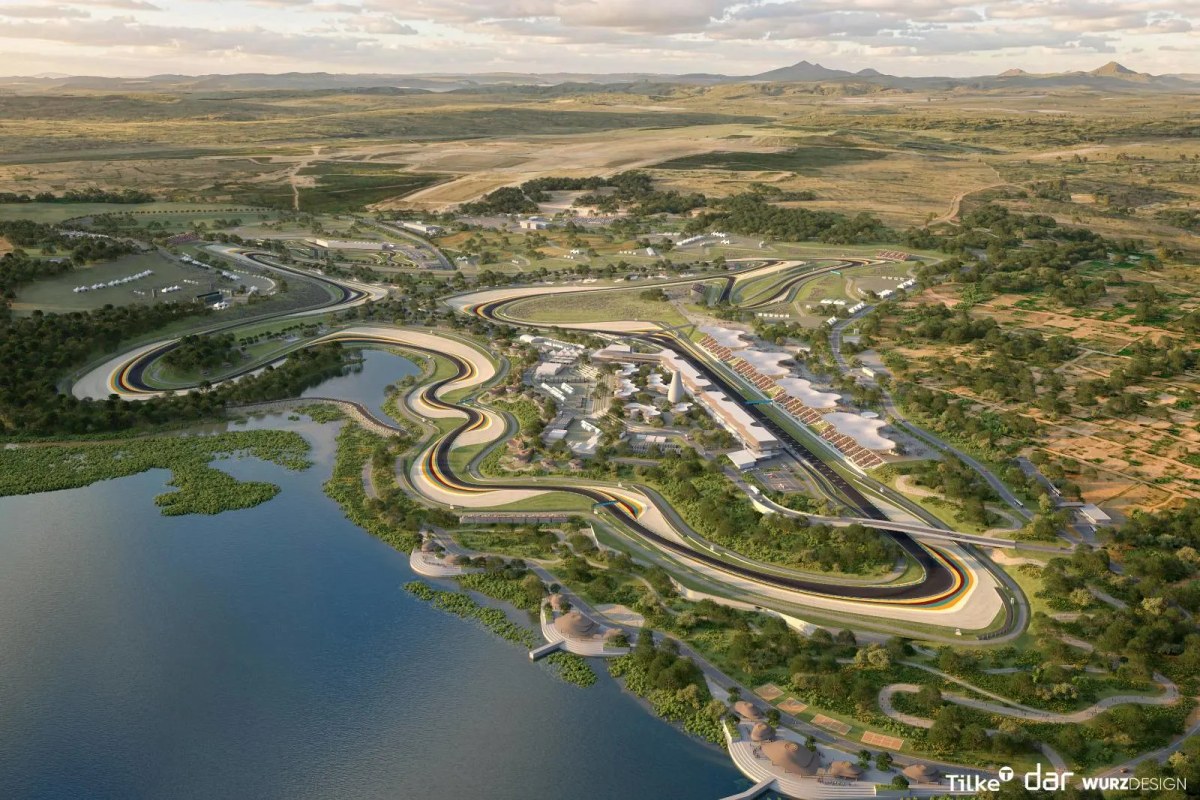
A ten-year agreement puts the Formula 1 African Grand Prix on the horizon for the early 2030s, with a new FIA Grade 1 circuit planned at Bugesera. The date is still to come, and so is the circuit itself. The promise is already unmistakable.
Photograph: Formula 1- Agreement
- Ten years
- Target window
- Early 2030s
- Location
- Bugesera, about 40 km south of Kigali
- Circuit
- New purpose-built FIA Grade 1 venue
- First race date
- Not announced
- Last African F1 race
- South African Grand Prix · Kyalami · 1993
There is a particular weight to the words “Formula 1 is coming back to Africa”. For more than three decades, the championship has crossed oceans, deserts and continents while leaving one inhabited continent outside its calendar. That absence now has an end point on the horizon. Formula 1 and Rwanda have agreed a ten-year partnership for the African Grand Prix, with the first race planned for the early 2030s once a new circuit at Bugesera is ready.
This is a commitment with real substance, and it is still a project in the making. Formula 1 has not announced the date of the first race, and construction lies ahead. The purpose-built circuit will be developed to FIA Grade 1 standards, roughly 40 kilometres south of Kigali and beside the new international airport. The announcement opens a chapter. The difficult work begins now.
A name that reaches beyond one city
The event will be called the Formula 1 African Grand Prix, presented by Visit Rwanda. That name matters. Rwanda is the host, while the title places the race in a wider continental story. The announcement lands in a region with deep rally traditions, ambitious organisers and drivers who have built international reputations on rough roads and long journeys. Formula 1 will arrive at the summit of global circuit racing, yet it will join a motorsport landscape that already has its own speed, skill and history.
African motorsport already has its own audiences and champions. This year’s African Rally Championship travelled across very different terrain before reaching its title finale in Tanzania. Karan Patel and Tauseef Khan secured another continental crown after a season that included a victory in Rwanda. Their campaign is one example of the stories being made long before the world championship returns.
Bugesera gives the plan a landscape
The planned location, near the new Kigali International Airport, gives the project an obvious logistical centre and a larger development context. Formula 1 says the track will work with the region’s elevation changes and natural landscape. Circuit design is being led by WurzDesign, headed by former F1 driver Alex Wurz, alongside Tilke Engineers and Architects. The first presentation describes a flowing venue with hills, a lake and a pronounced rise and fall across the lap. Those details make for a vivid first picture, though the final design and delivery schedule still need to be completed.
The scale of the undertaking is greater than the race weekend. The official plan connects the circuit with tourism, infrastructure, events and commercial activity, with a year-round role intended for the venue. The new airport and the Grand Prix are being developed within the same broad growth story. If the promise is to last ten years, the measure will be the quality of what remains between races: the local capability built, the access created and the work that reaches Rwandan and regional businesses.
The history is more complicated than a calendar gap
Africa’s last Formula 1 World Championship race was at Kyalami in 1993. South Africa had been a regular stop, while Morocco hosted a single World Championship Grand Prix at Ain-Diab in 1958. To describe the return only as a missing line on a schedule would be to miss the history around it. The sport’s earlier South African era overlapped with apartheid, and the future of a Grand Prix on the continent has long involved questions of access, representation, commercial power and who benefits from global sport.
Formula 1 and Rwanda present the partnership as an investment in opportunity, jobs, skills, tourism and young people. That promise deserves to be followed with the same seriousness as the construction timetable. A successful event will need reliable transport, safe and inclusive access, skilled local suppliers and a sporting pathway that reaches beyond spectatorship. The most compelling legacy would be one in which people from across the region can take part as technicians, engineers, officials, mechanics, entrepreneurs and competitors.
A beginning, with important questions still open
More than 100 million people across Africa already follow Formula 1, according to the championship’s announcement. The Grand Prix would meet an established community whose connection with the sport has endured since its last African race in 1993. A home event could make that connection physical: a circuit to visit, a paddock to work in and a race that arrives in local time.
The proper response to this news is excitement with its eyes open. Rwanda has secured the agreement and the ambition is now official. The track, the first date and the route from announcement to a safe, completed venue remain ahead. The best version of this story will be measured over years, by whether the promise can be turned into a world-class event whose benefits are felt beyond the Sunday finish. Africa’s return is no longer a hopeful rumour. It is a plan, and the work begins now.
There is also a public-interest question which should remain part of the coverage. Amnesty International has criticised the deal and called on Formula 1 to use its influence to press for human-rights improvements, raising concerns about free expression, detention and the use of major sporting partnerships to polish a country’s image. The announcement has not resolved those concerns. A thoughtful legacy report will have to examine who gains from the event and whether the promised opportunity reaches beyond the circuit boundary.