
From Materials Science to the WorldSBK Paddock: Gea Prioglio’s Road to Pirelli
Gea Prioglio’s route into Pirelli’s motorcycle racing compound team began with materials science, doctoral research and a visit to Misano as a fan. In 2026, that path carried her from the laboratory to trackside work across the WorldSBK season.
Photograph: WorldSBK official media- Role
- R&D Materials Specialist · Moto Racing Compound Development
- Employer
- Pirelli
- Study
- Materials engineering and nanotechnology engineering
- Research
- Rubber compounds, graphene and nanographene
- Pirelli role
- Officially started March 2026
- Trackside travel
- Approximately 80 days planned in 2026, by her estimate
- WorldSBK supplier transition
- Pirelli through 2026 · Michelin from 2027
A racing tyre looks simple from the grandstand. It is a dark circle beneath a fast motorcycle, asked to hold a line while the rider brakes, turns and asks for drive on the way out. The decisions behind it begin much earlier, in materials, testing and careful listening. Gea Prioglio’s route into WorldSBK sits at that meeting point between a laboratory question and a race weekend answer.
Prioglio is an R&D Materials Specialist in Pirelli’s Moto Racing Compound Development team. In a WorldSBK interview published on 30 September, she described a path shaped by curiosity, study and a fortunate visit to Misano. Her story begins with building and making things as a child, then follows that instinct into materials engineering and nanotechnology engineering.
Learning to look inside a material
Materials engineering gave Prioglio a way to ask questions about what a substance is made of and how its structure affects the properties people experience. Her master’s research examined rubber compounds, graphene and nanographene. She then continued into doctoral work in collaboration with Pirelli, deepening her specialist knowledge before an opportunity opened in the company’s raw materials group.
That sequence matters because racing tyres are not a single ingredient with a racing label attached. Pirelli’s WorldSBK updates describe development in terms of both compound and structure. The company can keep a compound while changing the tyre’s construction, then evaluate how that specification behaves on track. It is a careful kind of progress, where the question is also what a material is, but how it performs when the machine changes direction at speed.
A visit to Misano changed the view of the work
In 2025, Prioglio attended the Misano WorldSBK round as a spectator. She had not been to a race before and went because tickets became available. Seeing the materials she had been developing work on track made the championship more immediate. A trackside role later became available at Pirelli, and she told WorldSBK that she approached her manager to express interest.
Her first work trip was to Phillip Island in February 2026. She officially began the role in March. The dates show how quickly the laboratory and paddock can become part of the same professional life. One month, she was preparing to bring her technical knowledge into an unfamiliar environment. Soon after, she was travelling to race weekends and learning how to read the work in motion.
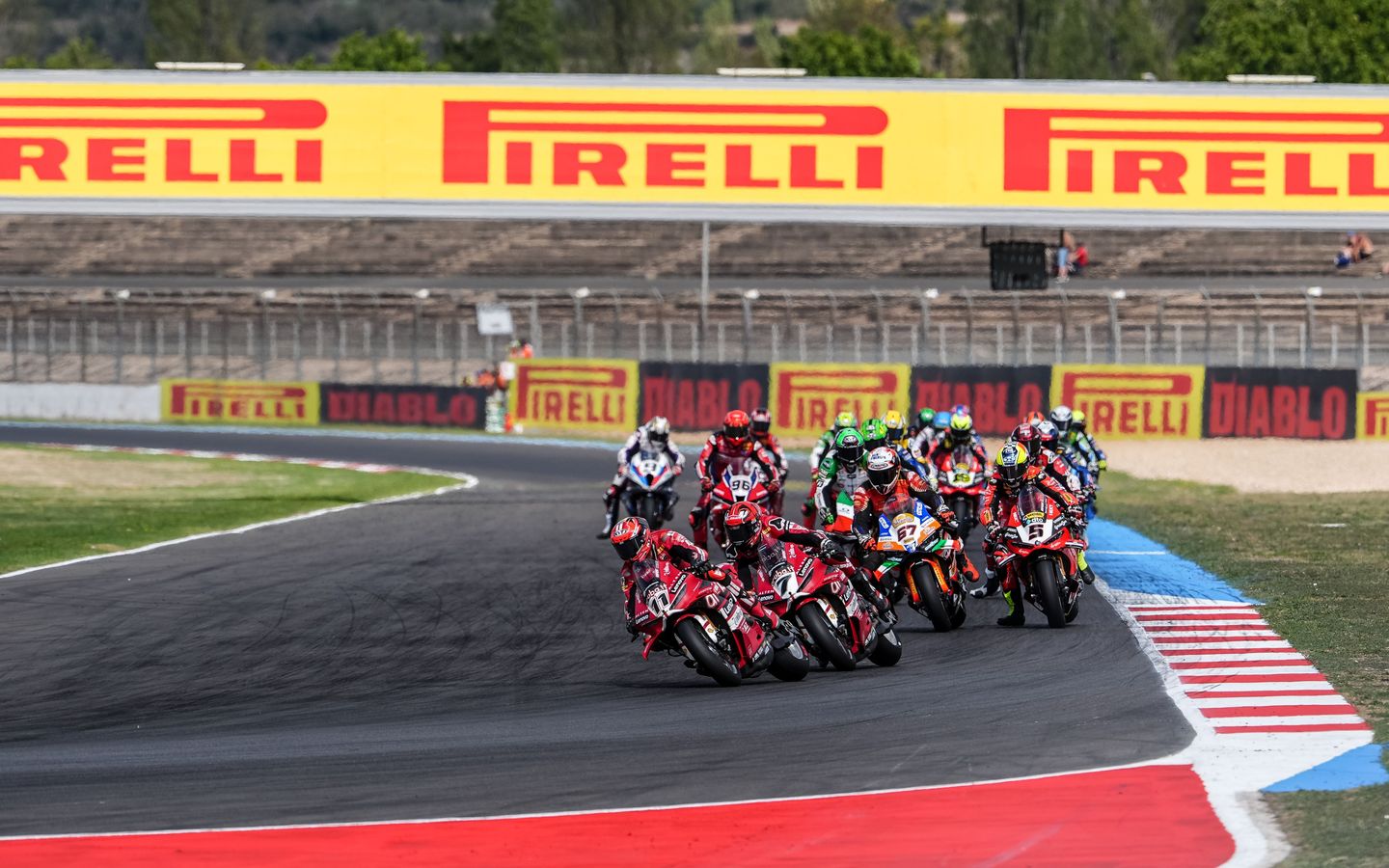
The feedback loop happens across the whole paddock
Prioglio’s description of her role is collaborative. Information comes from all the racing teams, and the Pirelli group builds a general picture of how the tyres are working. The engineers then take that picture back to the product team and develop against the needs that emerge. It is not one rider delivering one perfect answer. It is a set of observations that has to become useful across a field of different motorcycles, riding styles and circuits.
She expects to spend about 80 days travelling during 2026. That is a substantial stretch of time away from home, and it changes how a professional role feels. The office and the circuit are both part of the job. The work involves scientific detail, but its direction is tested in public, where weather, asphalt and race distance can expose a weakness quickly.
Two 2026 examples show why structure matters
At Phillip Island, Pirelli introduced the E0829 development rear tyre. WorldSBK’s technical note said it used the same compound as the earlier D0922 specification, with a revised carcass intended to improve consistency and stability across a race distance. The change was specific: the compound remained, while the construction was altered.
At Cremona in September, Pirelli brought the F0769 supersoft rear development option. Its compound matched the standard SCX, while its structure was new. The stated aim was greater motorcycle stability through corner entry and exit, together with consistent performance over a long race. The release framed it as an evaluation against an established option. It did not claim the development had already become a standard tyre.
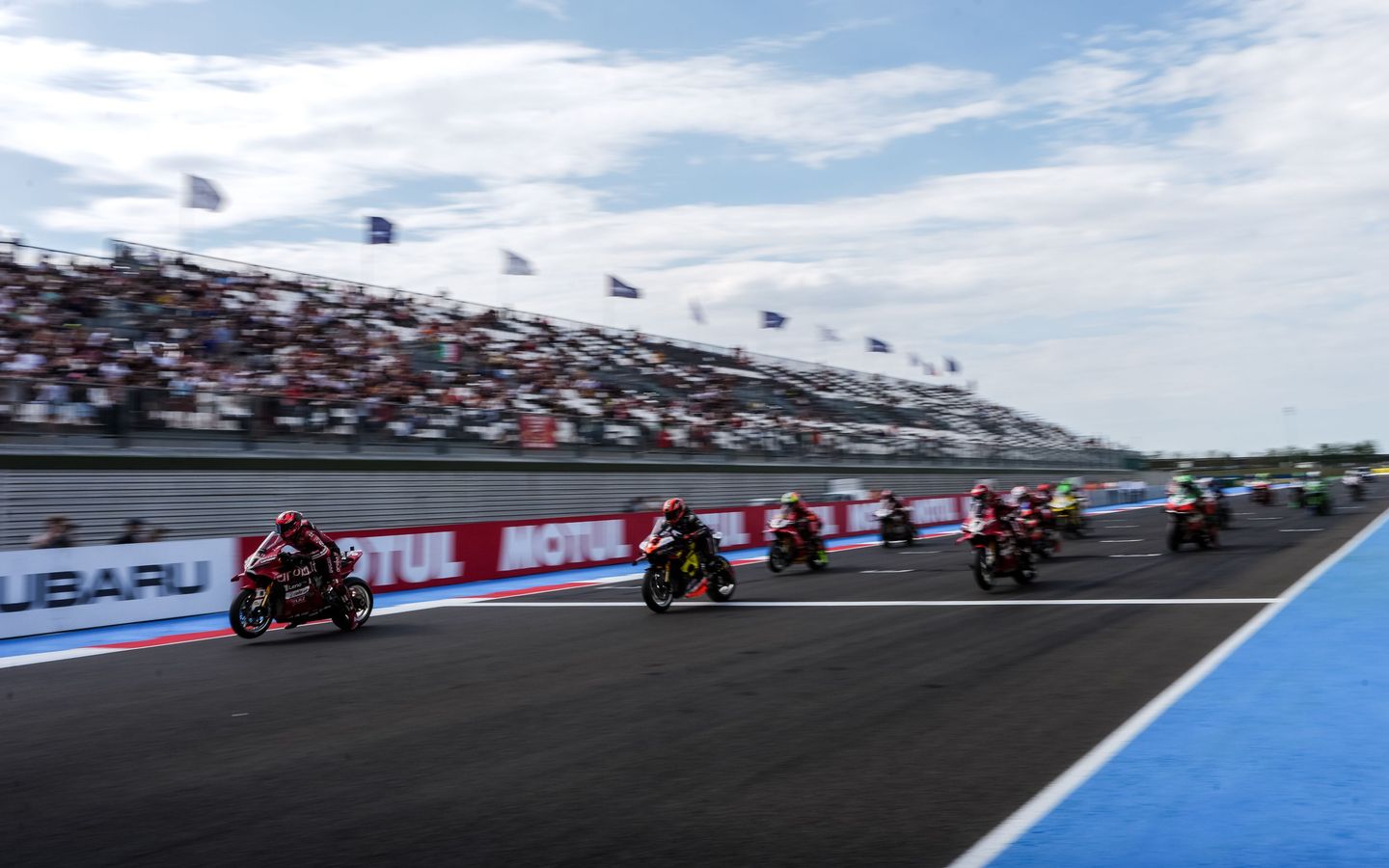
These examples make the work easier to understand without making it sound mysterious. A new solution may be an adjustment to one part of the tyre rather than a completely different recipe. Teams assess what that change feels like and how it behaves. The next decision depends on what the evidence says, and the answer can be different from circuit to circuit.
The last Pirelli season is a meaningful backdrop
WorldSBK’s 2026 season is Pirelli’s final one as official tyre supplier. The partnership began in 2004, and Michelin is scheduled to take over from 2027 under a five-year agreement. Prioglio’s profile arrives during that closing year, when development still matters to the current field and the paddock is preparing for a new chapter.
That change does not diminish the work being done now. The season remains a place where riders, teams and engineers have to solve the problems in front of them. Prioglio’s story also avoids the idea that a career has to follow a straight line from university to one fixed job. A degree, hands-on research, industrial development, a first race as a spectator and a willingness to ask for an opportunity all belong in the same account.
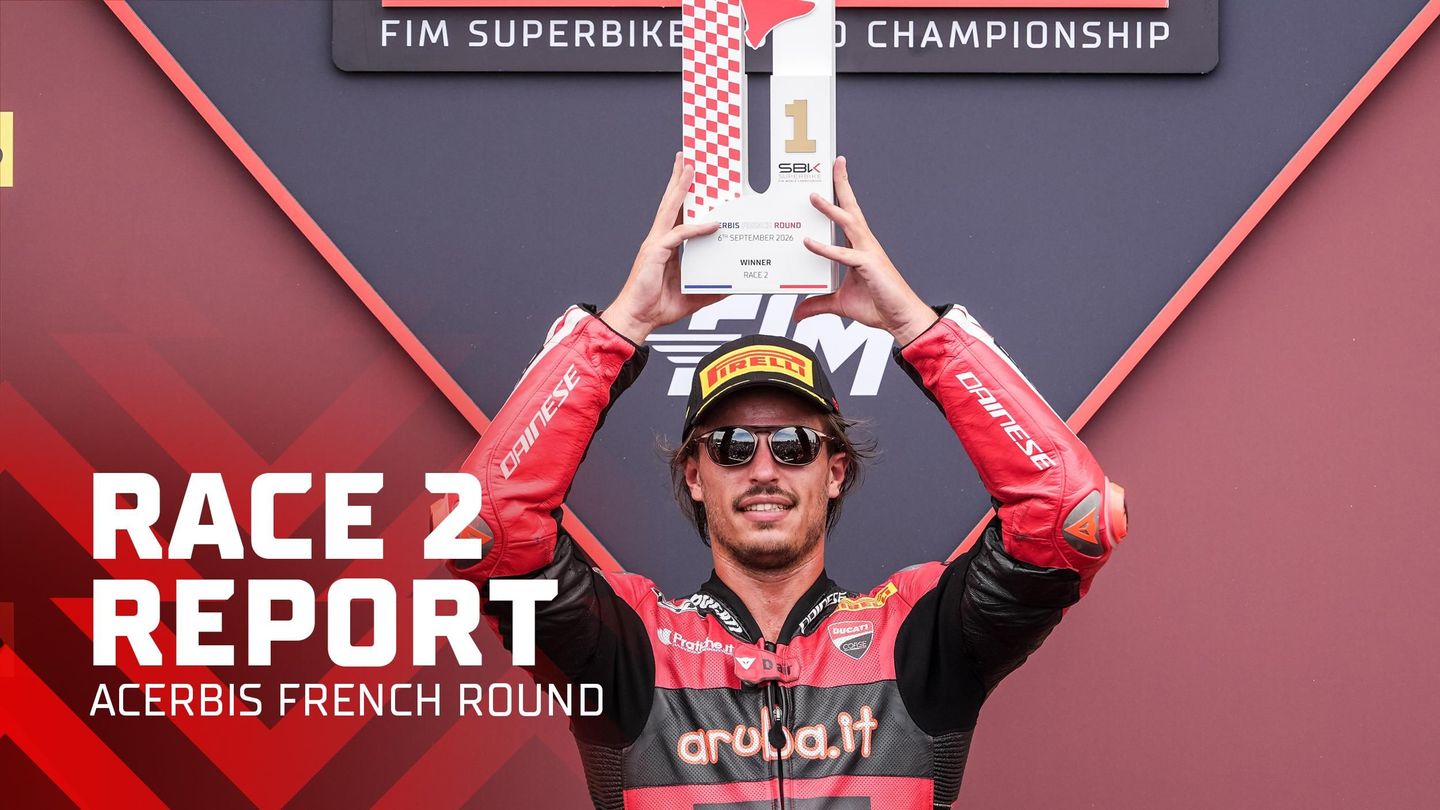
A technical career built through curiosity
The most useful detail in Prioglio’s account is the way she describes herself as both technical and creative. Those instincts can sound like opposites until the work is seen more closely. Research asks for patience and precision. Development asks someone to picture how one change could make a product work better. Trackside work asks for curiosity about what people experience and the humility to keep learning when the evidence is incomplete.
She speaks openly about arriving as a newcomer, observing experienced colleagues and staying ready to be wrong. That is a grounded way to enter a demanding technical environment. Confidence helps a person take responsibility. Listening helps them understand what responsibility requires.
WorldSBK’s story of Gea Prioglio is about a specialist career finding its place in a global paddock. The discipline is materials science, the setting is motorcycle racing, and the daily work lives somewhere between the two. For young people considering engineering, it offers a clear invitation to follow the question that holds their attention, build the knowledge to answer it and stay open to the unexpected road that carries it into the world.