
Hero Gives Its Xtreme Pair a Smarter Kind of Speed
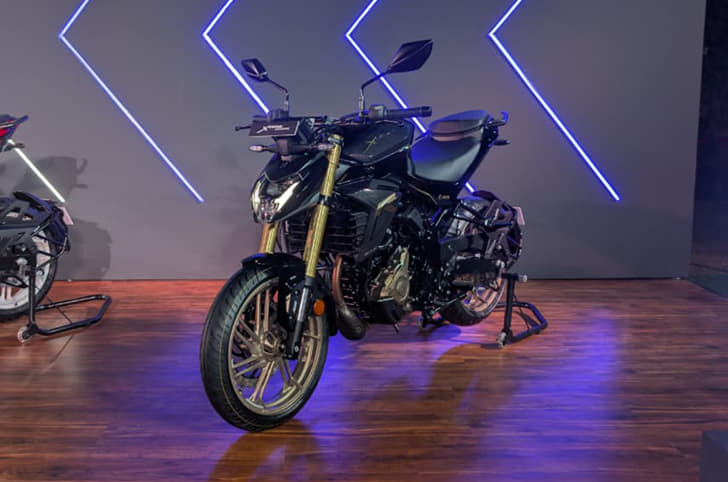
Hero MotoCorp has refreshed the Xtreme 160R 4V and the Xtreme 250R with new electronics, rider aids and revised model grades. The engines keep familiar foundations. The real change is how much control and information now sit between rider and road.
- Updated Xtreme 160R 4V
- Introductory ex-showroom prices from ₹1.27 lakh
- Xtreme 160R Carbon
- ₹1.41 lakh and a new TFT display
- Xtreme 250R Carbon
- ₹1.98 lakh ex-showroom, Delhi
- Xtreme 250R power
- 249cc single-cylinder engine, 30 hp and 25.3 Nm
- Bookings and deliveries
- 160R bookings open, deliveries begin in November
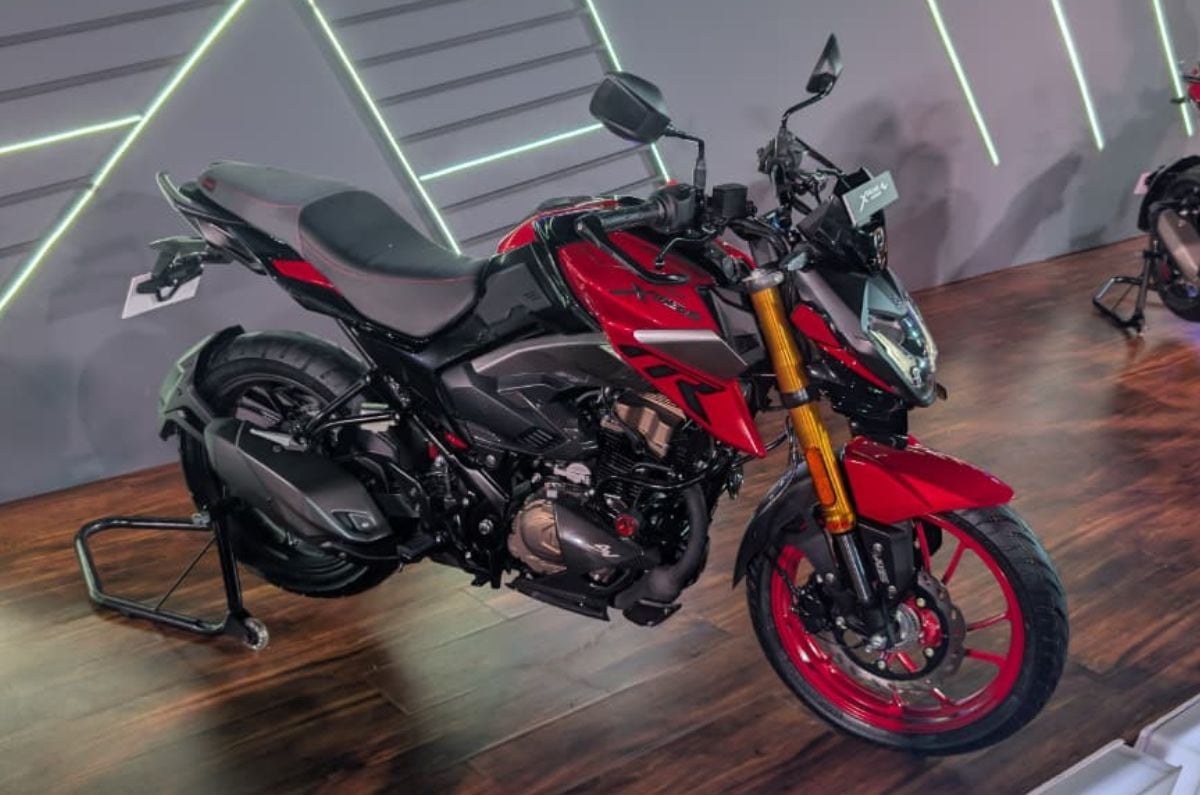
The latest Xtreme update is less about adding a few more horses and more about giving riders a richer set of tools. Hero MotoCorp has updated the Xtreme 160R 4V and the Xtreme 250R in the same launch window, adding new displays and electronic controls while keeping each motorcycle’s basic character recognisable.
The Xtreme 160R 4V is now offered in Standard, Pro and Carbon grades. The refreshed Xtreme 250R arrives as the Carbon version. Their prices run from an introductory ₹1.27 lakh for the 160R Standard to ₹1.98 lakh for the 250R Carbon, ex-showroom in Delhi. These are different sizes and different levels of equipment. The useful comparison is how each update changes the ride, not which sticker carries the larger number.
The 160R makes its electronics a variant choice
The Xtreme 160R 4V retains its 164.32cc oil-cooled four-valve engine. Hero’s updated figure is 17.1 horsepower at 8,750 rpm, with 14.6 Nm of torque at 6,500 rpm. The power increase is modest. It gives the engine a little more room at the top of its range, while the larger news sits in the equipment split between the three versions.
The Standard keeps a mechanical throttle, a telescopic front fork and single-channel ABS. The Pro adds ride-by-wire, Rain, Road and Sport modes, cruise control, a 37mm upside-down fork and dual-channel ABS. The Carbon carries the Pro specification and adds a new TFT instrument display. Hero has kept the names simple, but the difference between grades is substantial enough to deserve a proper look at the price list before booking.
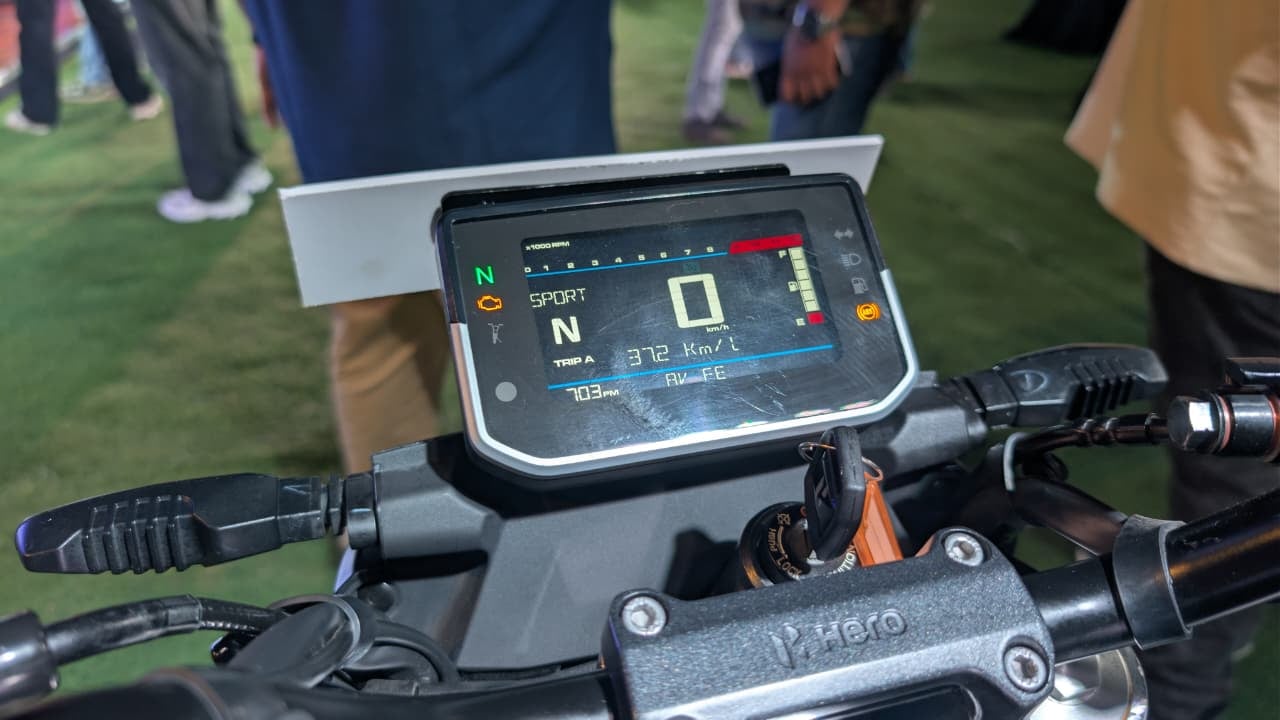
The new TFT is the Carbon’s visual signature. A display is useful when it makes information easier to read and easier to manage at a glance. On a motorcycle, that is a safety question as much as a technology question. The rider should not have to hunt through layers of menus to find the information needed on the road.
The Pro’s ride-by-wire system unlocks the three modes and cruise control. Cruise control can be welcome on a longer highway stretch, while the modes let a rider select different throttle responses for changing conditions. They do not replace good judgement or create grip that is not there. They give the rider a new way to choose how the motorcycle responds.
The 250R adds a deeper layer of control
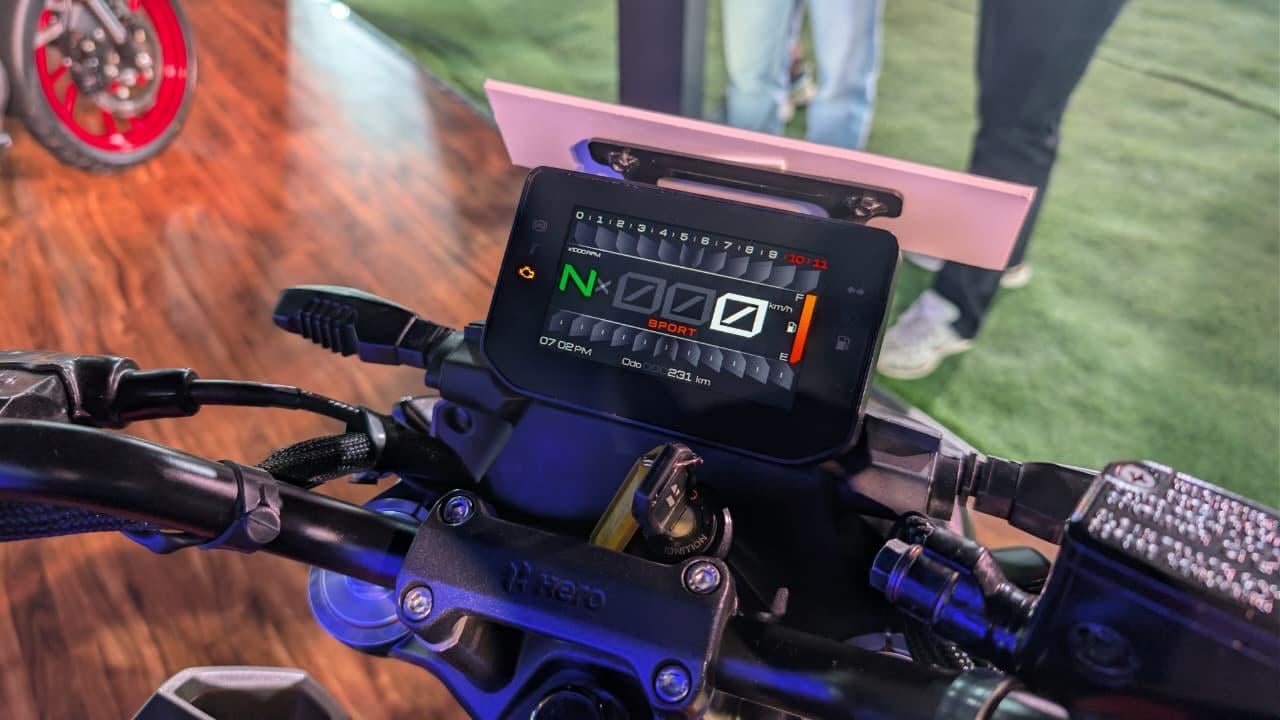
The Xtreme 250R Carbon keeps the 249cc liquid-cooled single-cylinder engine, rated at 30 horsepower at 9,250 rpm. Torque rises to 25.3 Nm at 7,500 rpm. The changes are concentrated in electronics and rider support: a 4.2-inch TFT display, Bluetooth connectivity, navigation, a lap timer, four ride modes, traction control, a bi-directional quickshifter, cruise control and a tyre-pressure monitoring system.
A bi-directional quickshifter allows clutchless upshifts and downshifts when conditions are right. It can make a string of gear changes feel more immediate, although it does not eliminate the need to choose a sensible gear. The ride modes tune the throttle response and traction control for different uses. The tyre-pressure display gives the rider another piece of information to monitor before a long ride or after a change in temperature.
The most unusual chassis update is the rear shock with Frequency Selective Damping. Hero says a secondary valve changes damping with the frequency of the road input. In plain terms, the system is intended to respond differently to repeated sharp chatter and slower, broader bumps. How much difference it makes will depend on the surface and the rider. It is a feature that deserves a proper first ride on familiar and broken roads.
The price of more information
The Xtreme 160R Standard, Pro and Carbon are priced at ₹1.27 lakh, ₹1.37 lakh and ₹1.41 lakh respectively. Hero describes the prices as introductory. The Xtreme 250R Carbon is listed at ₹1.98 lakh, ex-showroom Delhi. The gap between variants buys more than trim colour. On the 160R it changes the front suspension, throttle hardware, ABS and display. On the 250R it pays for a large group of electronic aids and the new rear suspension.
That makes the buying decision easier to frame. A rider who wants a straightforward street motorcycle may prefer the Standard’s simpler layout. The Pro adds a meaningful set of controls for regular highway use. The Carbon combines those changes with a screen-led cockpit. On the 250R, the question is whether the feature list and damping system make the premium worthwhile in the way the owner will actually ride.
The real test begins on the road
Hero’s launch gives these motorcycles stronger claims to attention, but a specification sheet cannot answer everything. The throttle modes need to feel intuitive. The TFT must remain legible in sun. Cruise control should engage and disengage predictably. The quickshifter must work cleanly at the pace riders will use. The new shock has to prove its benefit on real roads rather than in a paragraph.
The updated Xtreme pair shows how quickly technology is moving into India’s everyday motorcycles. Their engines still do the central work. The next step is to discover whether the extra electronics help riders feel more confident and more connected, or simply give them more to learn. A good update should make speed easier to use and ordinary rides more rewarding.