
Ogura Writes a New Assen Chapter as Trackhouse Takes a Double Victory
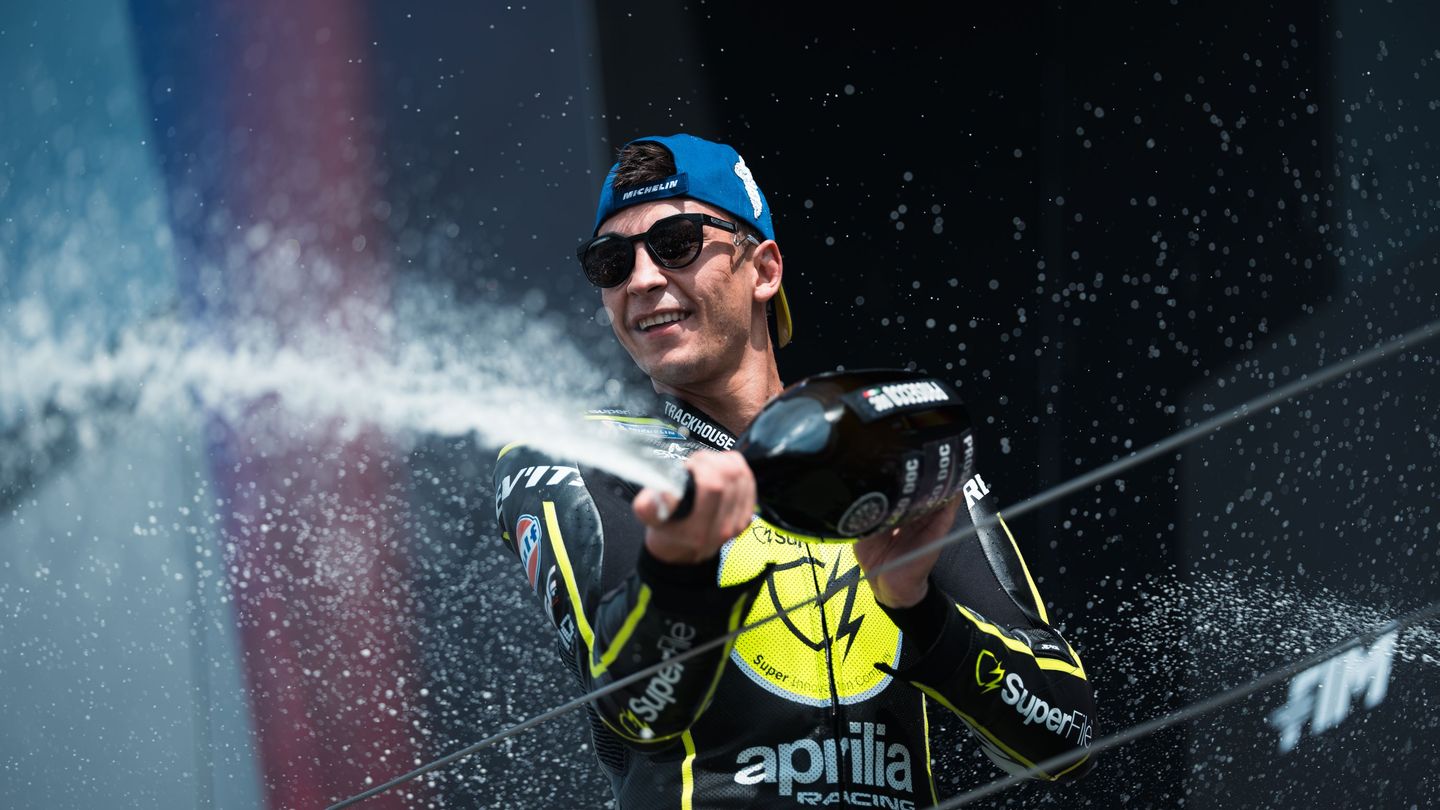
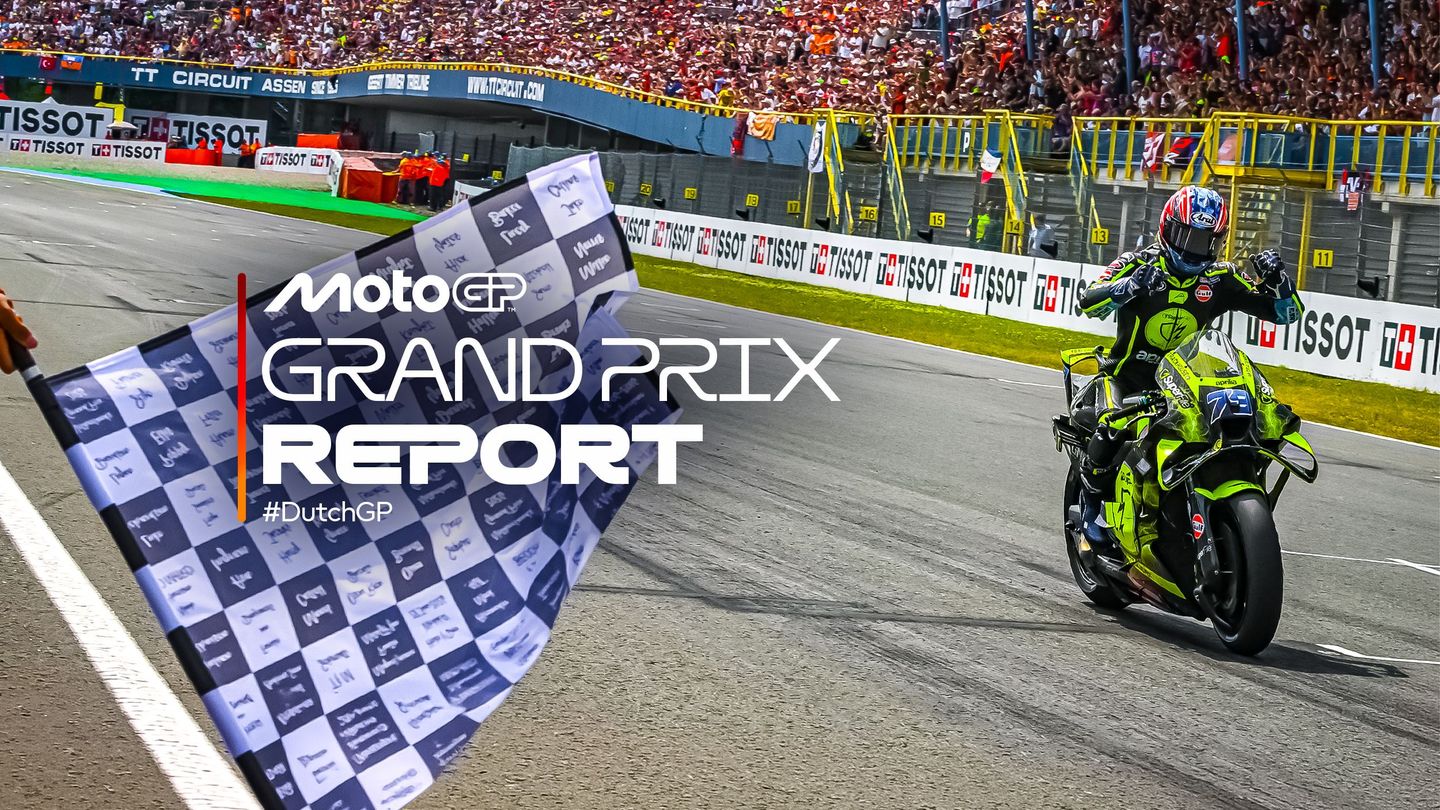
Ai Ogura won his first MotoGP Grand Prix at Assen, with Raul Fernández second and Jorge Martín third after Marco Bezzecchi’s early crash changed the championship order.
Photograph: MotoGP official media- Winner
- Ai Ogura · Trackhouse MotoGP
- Second
- Raul Fernández · Trackhouse MotoGP
- Third
- Jorge Martín · Aprilia Racing
- Circuit
- TT Circuit Assen
- Historical note
- First Japanese MotoGP winner since 2004
- Championship effect
- Martín moved to the top of the standings
Assen has always been a place where motorcycle racing feels close to its roots. The lap flows from one direction to the next, the grass sits near the racing line and the circuit’s history gives every new result a little more weight. Ai Ogura added his name to that history with a first MotoGP victory that arrived through speed, recovery and a Trackhouse team result nobody could ignore.
Ogura won the 2026 Dutch Grand Prix, with Raul Fernández second and Jorge Martín third. The double podium gave Trackhouse a perfect Sunday at the Cathedral of Speed, while Marco Bezzecchi’s early crash removed the pre-race championship leader from the points and moved Martín to the top of the standings.
The race changed at Turn 15
Ogura started from the middle of the front row and initially lost ground as the opening exchanges moved quickly around him. The race did not become his through a clean escape. He had to work back into the leading group, understand how the tyres were responding and choose where to spend the energy needed to pass riders who already knew how strong the Trackhouse package could be.
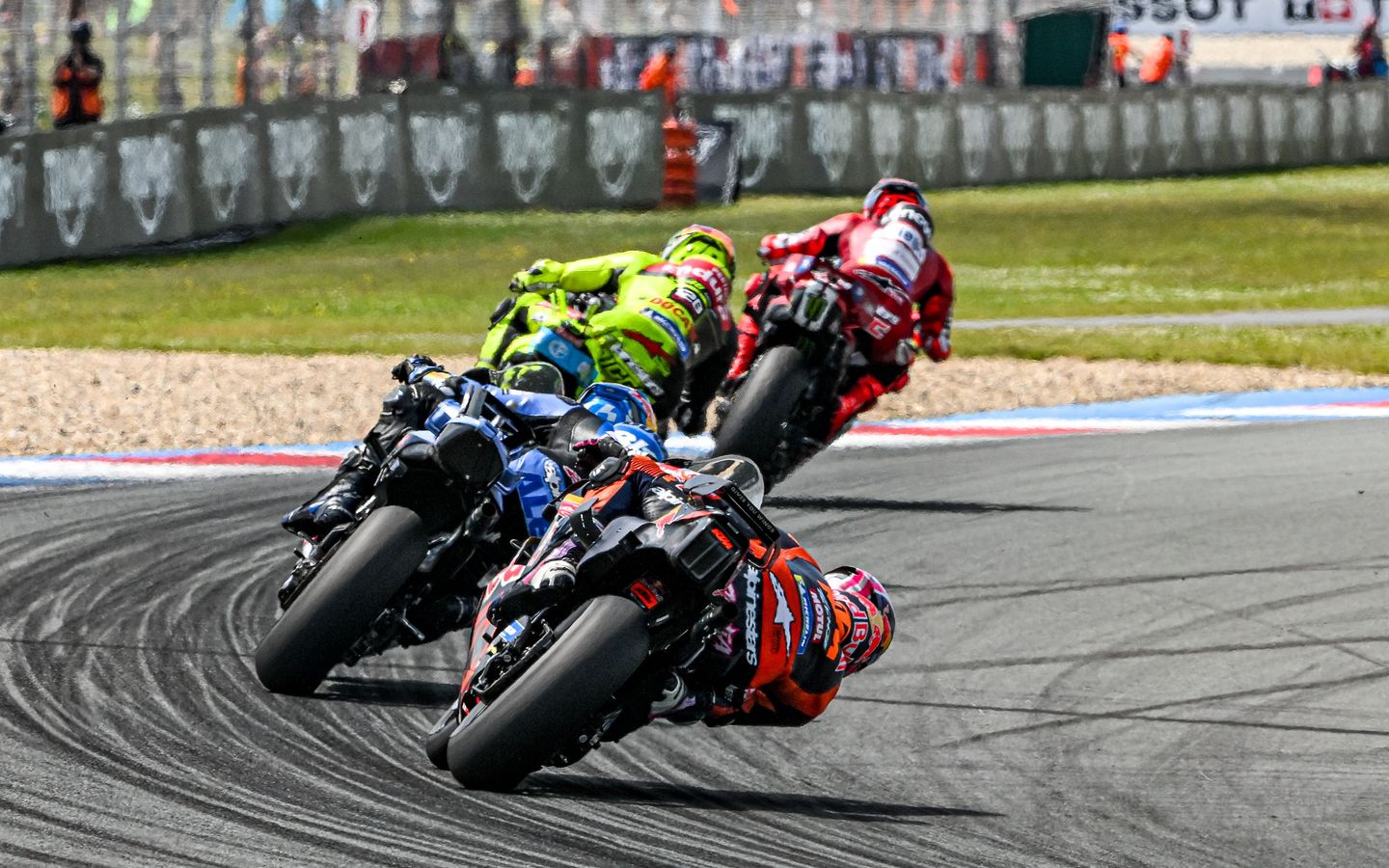
Bezzecchi’s crash at the fast Turn 15 was the first major change to the championship story. The Aprilia rider was relatively alright after the fall, though the result ended his Grand Prix and marked a third consecutive Sunday without points for the rider who had arrived as the title leader.
Ogura kept finding the next answer
The Japanese rider’s victory was shaped by the ability to recover after each challenge. When the pack moved around him, he did not treat the lost places as a final judgement. He used the next braking zone, the next exit and the next long run towards a corner to rebuild the race. That is the quality Assen rewards. A rider has to stay alert without allowing one imperfect moment to become the whole afternoon.
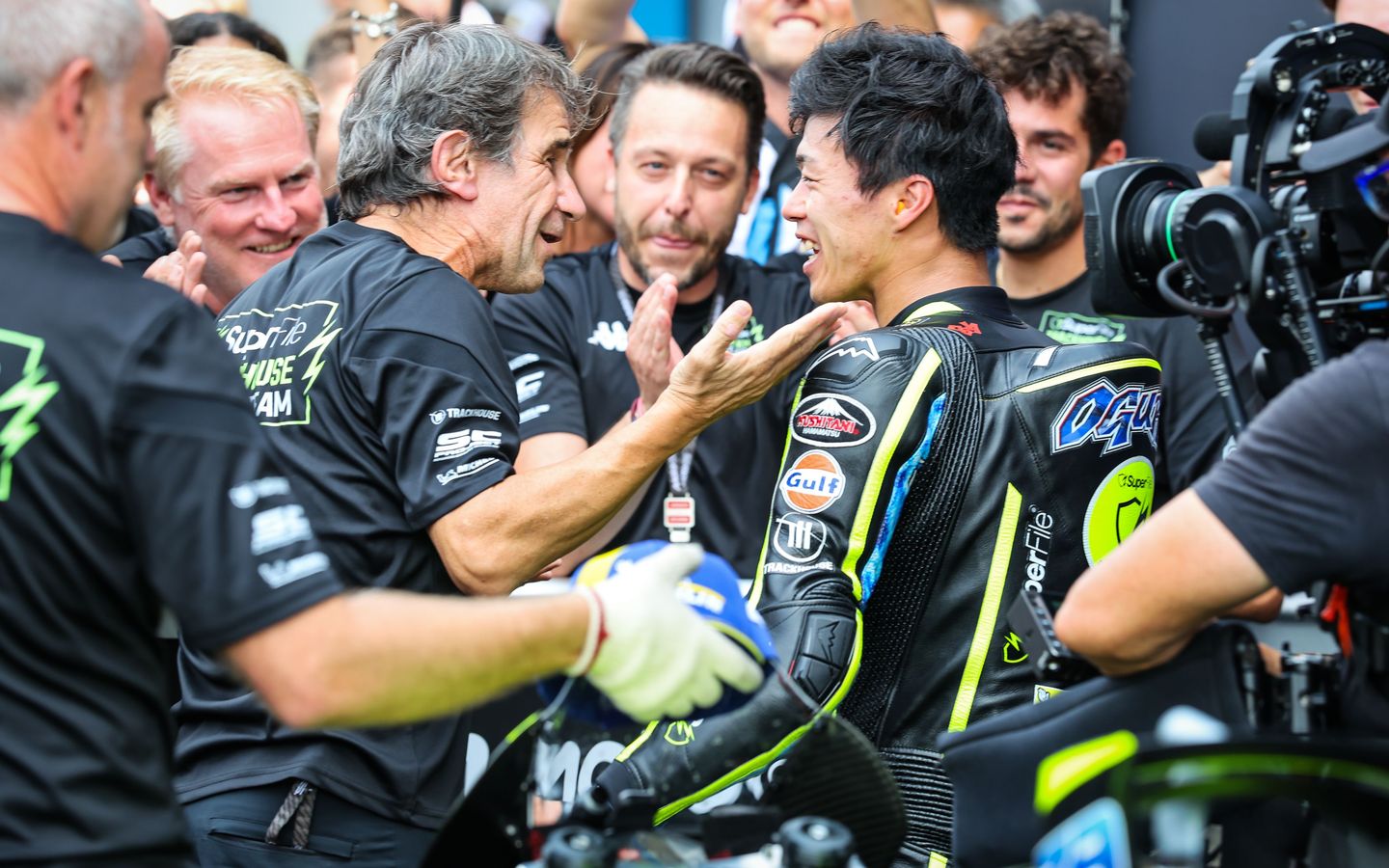
Fernández completed the Trackhouse double by finishing second. His result gave the team two riders on the podium and confirmed that the Aprilia-powered package had the speed to manage the Dutch circuit across a full race. A team double is rarely only about two riders. It reflects preparation, communication and a machine that allows both sides of the garage to attack the same problem.
Martín leaves as the points leader
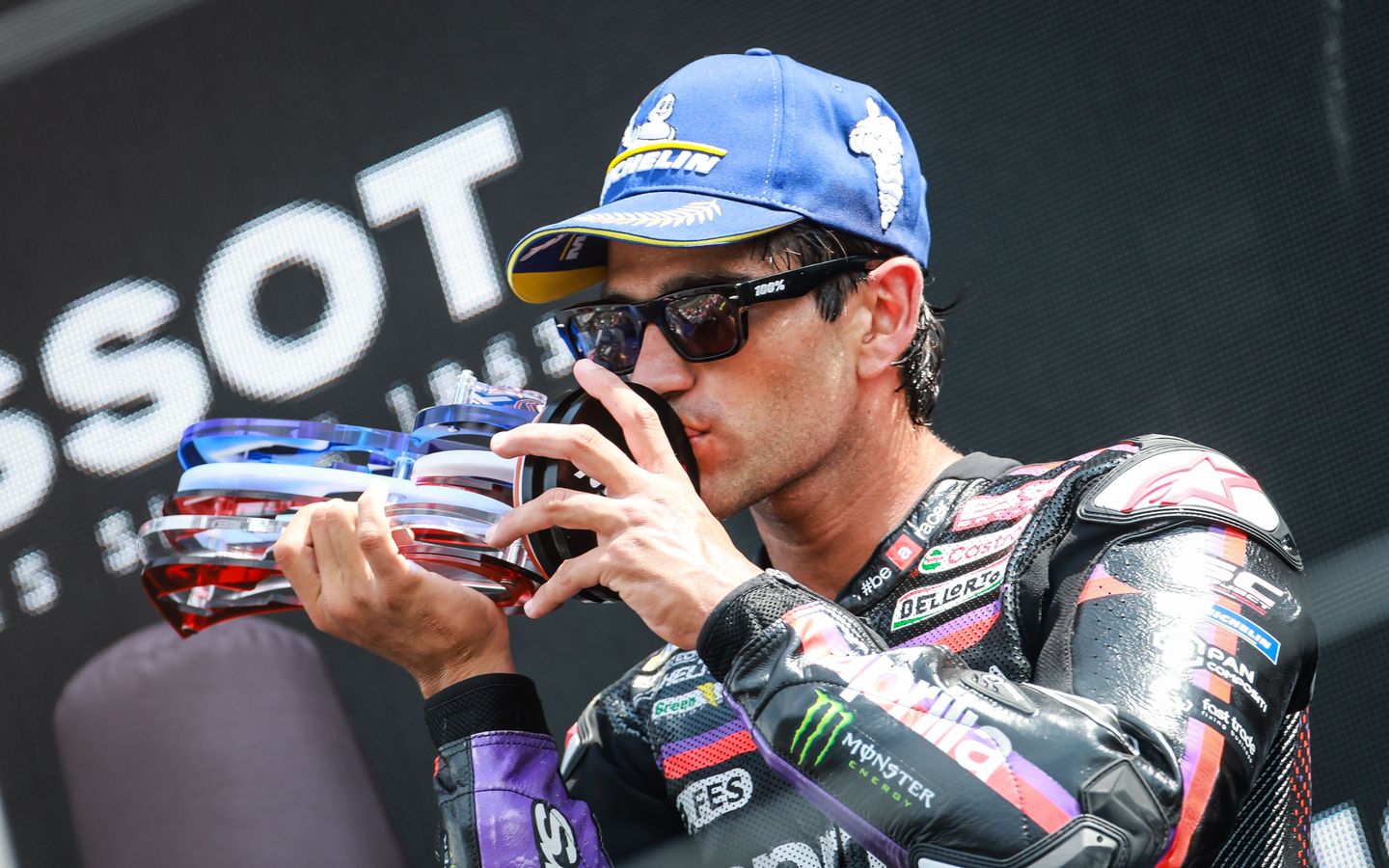
Martín finished third and moved to the top of the World Championship after Bezzecchi’s retirement. The result was not as dramatic as Ogura’s win, though it may become just as important when the season is remembered. A podium gained while the closest rival scores zero changes the shape of a title fight without requiring a rider to win every battle.
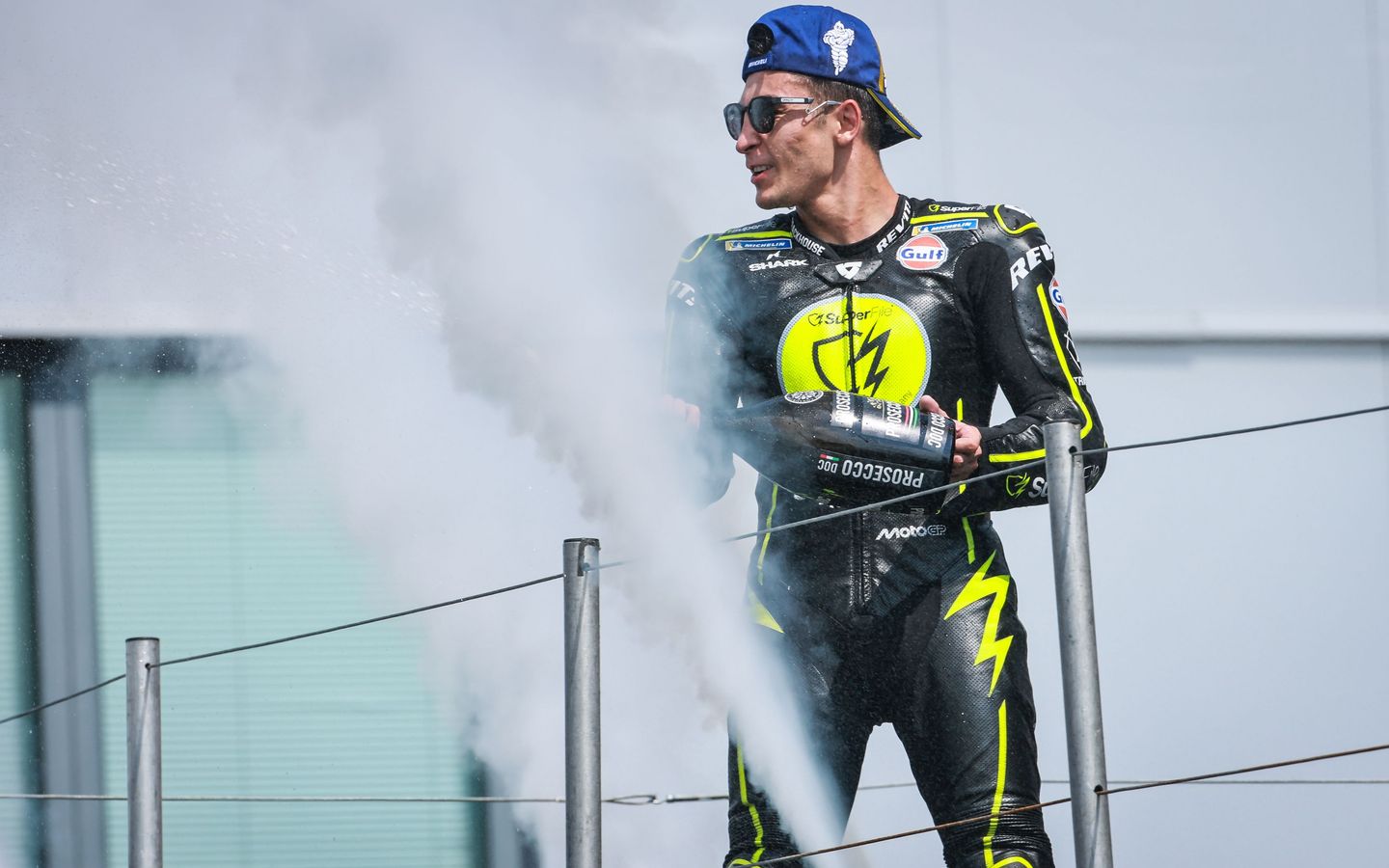
A Japanese winner returns to the top step
MotoGP’s official report placed Ogura’s achievement in its historical context. He became the first Japanese rider to win in the premier class since Makoto Tamada in 2004. That statistic gives the result a place beyond the 2026 points table. It connects Ogura to a racing tradition that has spent two decades waiting for another Sunday at the front.
The Dutch Grand Prix ended with a title race that looked different from the one that began the weekend. Ogura has a first win, Trackhouse has a double podium and Martín has the championship lead. The next round will ask them to make the achievement work again at a circuit with a different rhythm and a new set of braking questions.