The Peugeot 208 Rally4 Finds an Indian Stage
A left-hand-drive Peugeot arrived from Europe and immediately changed the conversation around what a two-wheel-drive Indian rally programme could be.
Created using advanced editorial technology. Reviewed and approved by ViPeople.
Photograph: TSI Racing- Model
- Peugeot 208 Rally4
- Drive
- Front-wheel drive
- Indian debut
- Rally of Coimbatore 2025
- Crew
- Dean Mascarenhas / Gagan Karumbaiah
- Preparation
- Imported European competition car
A new rally car arrives with a rich history of engineering decisions. It arrives with someone else’s engineering decisions, a different language around setup and a long list of questions about how it will behave on a new continent.
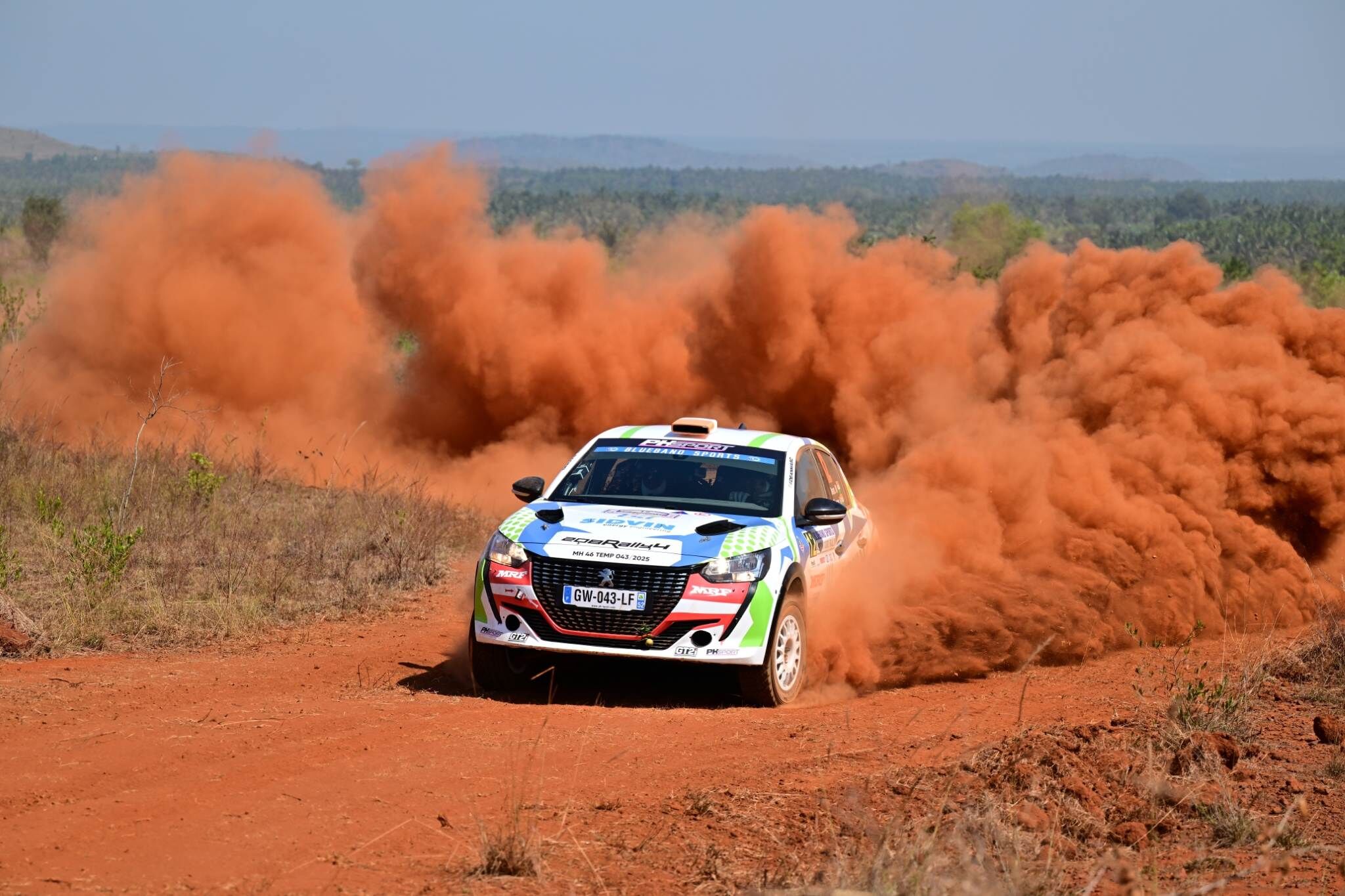
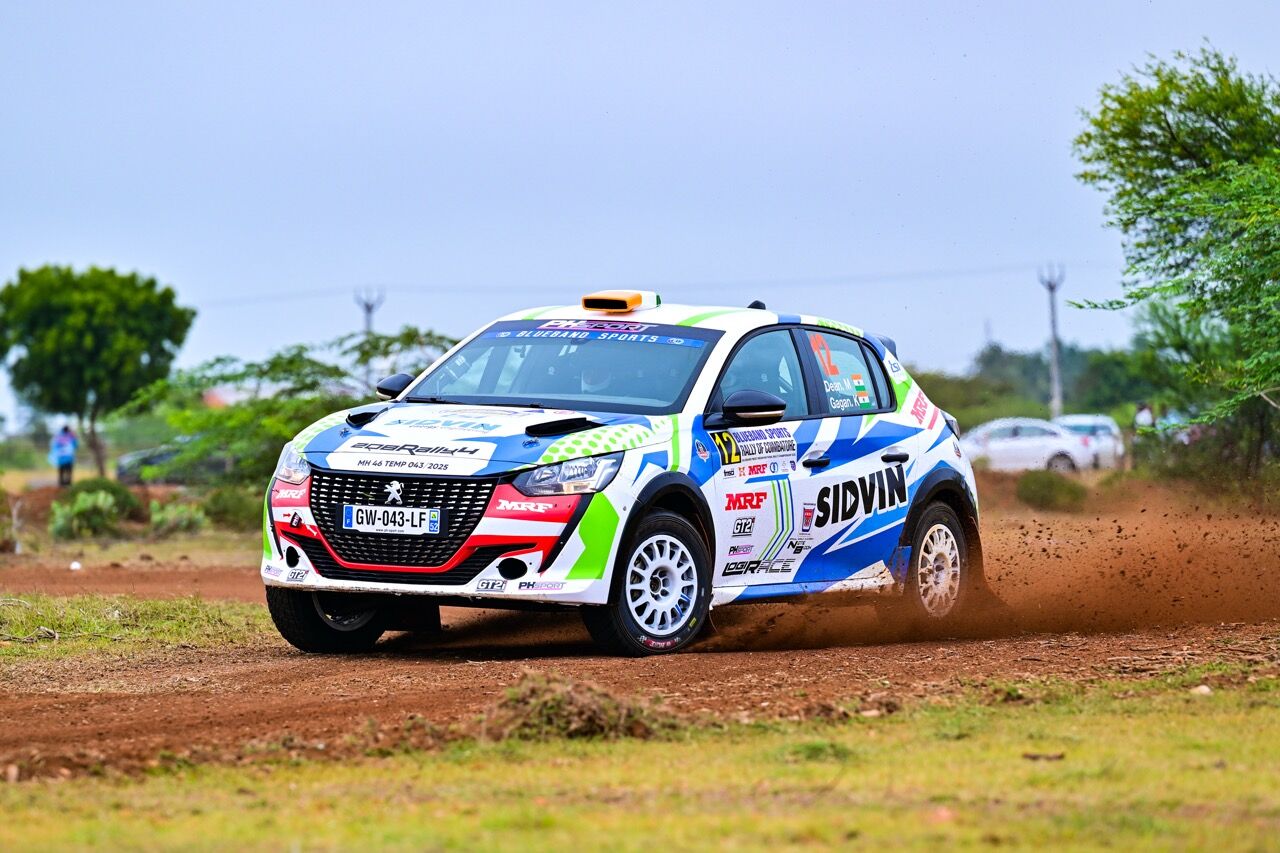
TSI Racing brought a left-hand-drive Peugeot 208 Rally4 from Europe for the 2025 INRC season. Its first competitive appearance in India came at the Rally of Coimbatore, where Dean Mascarenhas and Gagan Karumbaiah turned the introduction into an overall victory.
Why the car mattered
The 208 Rally4 is a modern front-wheel-drive customer rally car built as a genuine competition car, with a purpose beyond a loud road car body kit. Peugeot Sport describes it as the successor to the 208 R2 and a worldwide reference in the Rally4 class. In India, the car brought a different level of integration between engine response, sequential transmission, braking and suspension.
The Peugeot gave TSI Racing a proven international development path and a French technical ecosystem to work with as the team learned. Its value came from that complete platform and the way the crew developed it for Indian stages.
Seven stage wins, then the real work
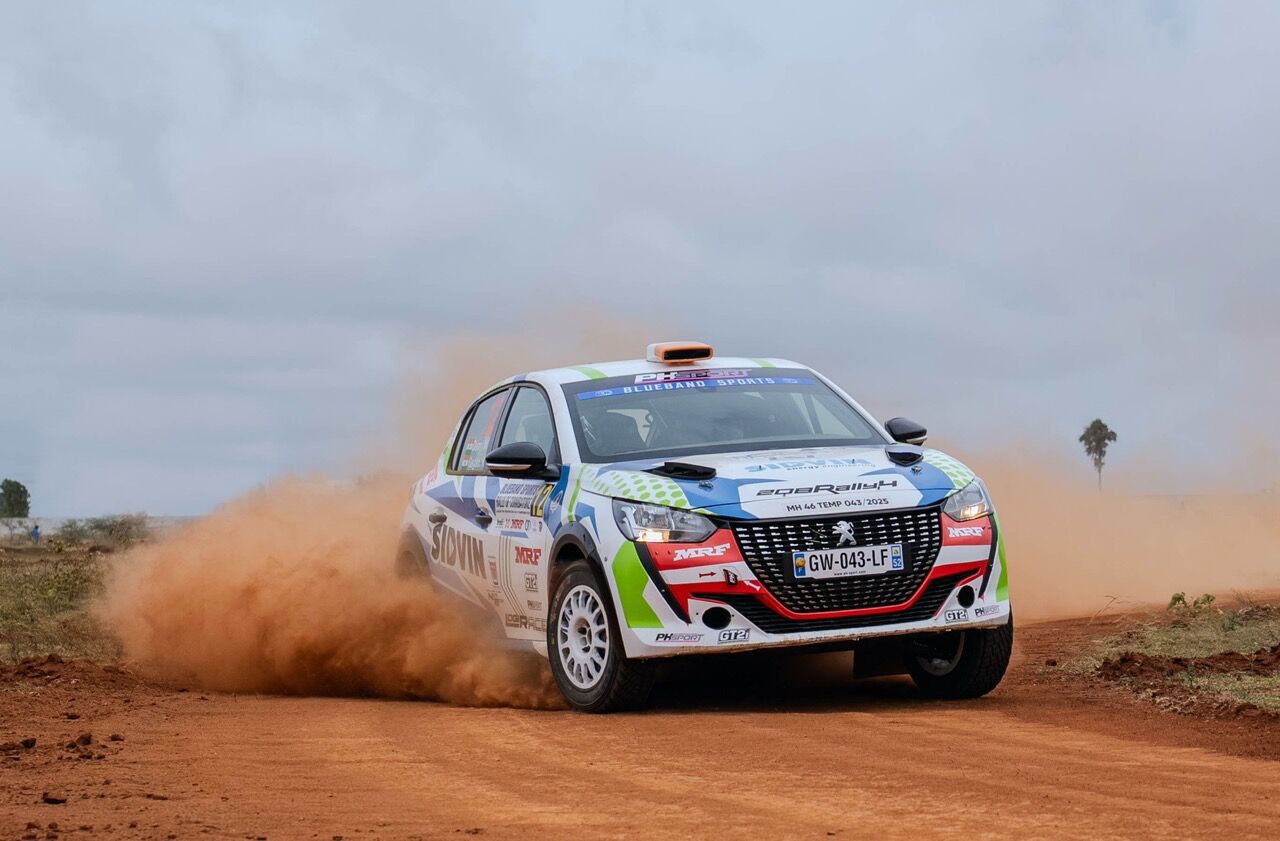
Mascarenhas and Karumbaiah won seven of the nine stages at Coimbatore. The result was spectacular, but the useful work started after the podium: understanding tyre behaviour, correcting notes, learning how the car reacted to Indian dirt and building a setup book that belonged to this crew and its own understanding of the car.
By the K1000 Rally, the Peugeot was no longer a foreign object in the paddock. It was the centre of a team that had won three rallies in a row and taken a one-two with a second TSI car. That is how a car becomes part of a country’s rallying story.
Making European engineering speak Indian
A customer rally car comes with a language of its own. The steering weight, the braking feel, the transmission response and the way the suspension accepts a rough surface have been shaped by many hours of development. When the car moves to another country, the crew has to learn which parts of that language remain universal and which need to be translated for local roads.
The Peugeot 208 Rally4 brought a mature front-wheel-drive package to India, yet the platform still needed to become familiar to TSI Racing. Dean and Gagan had to build confidence through the controls, while the engineers created a local reference for ride height, damping, tyres and the way the car used its power on Indian gravel. Seven stage wins at Coimbatore showed how quickly that conversation became productive.
The car’s value also sits in the future it makes possible. A modern Rally4 platform gives Indian drivers a route into a global category and gives teams a product supported by international knowledge. It does not remove the need for talent or preparation. It gives those qualities a clearer place to work. That is why the Peugeot became part of the Indian story so quickly.
A car becomes local through use
The first stage win is only the beginning of a relationship with a rally car. Engineers learn which settings suit the roads, drivers learn how the brakes and differential speak through the controls and the service crew creates a routine that can be repeated under pressure. The Peugeot became familiar because the team kept using it seriously.
Its front wheel drive layout also gives the Indian scene a useful reference. Drivers can study how a modern Rally4 car carries speed, how it rewards a clean line and how it responds when the surface becomes rough. That knowledge can move through a paddock quickly when teams are willing to share the right lessons.
The car’s future value will be measured in the opportunities it creates. A proven platform gives a young driver somewhere to begin and gives a team a clearer route towards international competition. TSI Racing has shown how quickly that route can start.