
The Pulsar N160’s Real Upgrade Is Under the Surface
The new N160 brings a four-valve engine, upside-down forks and traction control to a price point where buyers usually have to choose between performance and equipment.
Created using advanced editorial technology. Reviewed and approved by ViPeople.
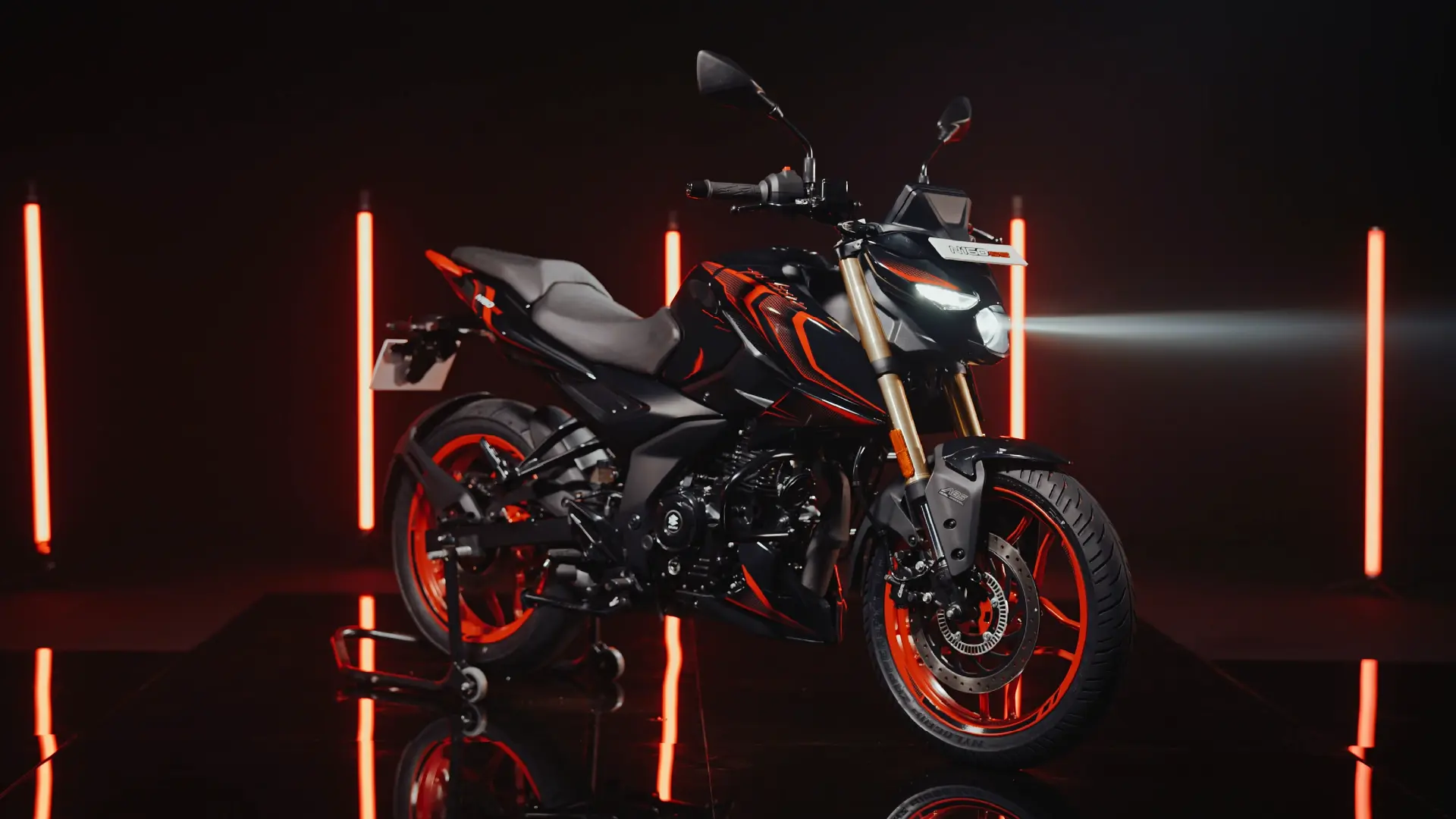
Photograph: Bajaj Auto- Engine
- 164.5cc, four-valve
- Power / torque
- 18.3bhp / 14.65Nm
- Front fork
- 37mm upside-down
- Electronics
- Ride modes and traction control
- Display
- 5-inch TFT on N160 SS
The Pulsar N160 was already a convincing everyday motorcycle. The new version gives it the hardware to feel more serious when the road opens up.
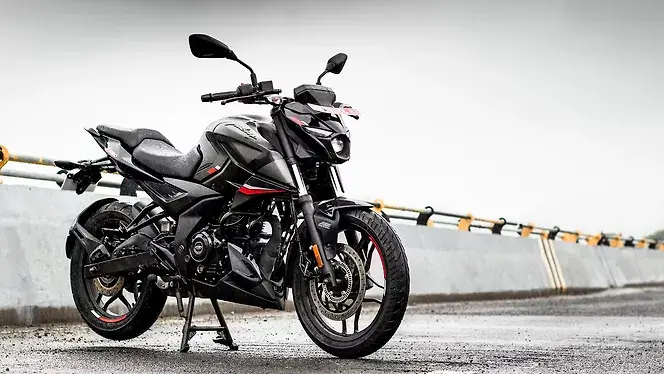
Bajaj’s N160 S and N160 SS use a new 164.5cc four-valve engine producing 18.3bhp and 14.65Nm. The change is supported by a 37mm upside-down fork, larger brakes, ride modes and traction control, giving the motorcycle a more rounded specification than its price normally suggests.
The four-valve engine is about how it breathes
Peak power is only one part of an engine’s character. Four valves allow the cylinder head to move air more efficiently, especially as revs rise, which can make the engine feel less strained when the rider holds a gear through a faster section of road. It should still be friendly in the city, but it no longer has to feel ordinary outside it.
The chassis finally matches the ambition
The upside-down forks signal where Bajaj wants this motorcycle to sit, adding a more focused front-end specification. Combined with a 300mm front disc, dual-channel ABS and traction control, the N160 now has the ingredients to feel composed instead of merely well equipped on paper.
The parts that change the conversation
The N160’s appeal has always been easy to understand. It is compact enough for the city, quick enough to make a familiar road enjoyable and priced within reach of riders who want more character than a basic commuter can offer. The new hardware gives that promise a more confident foundation when the road opens beyond the daily route.
A four valve head helps the engine breathe as the revs build, while the extra performance arrives through a package designed to keep the motorcycle settled. The rider notices that relationship through the throttle, the way the bike gathers speed and the feeling of control when a corner asks for a little more commitment.
The 37mm upside down fork gives the front end a clearer purpose. It helps the chassis communicate what the surface is doing, which is especially useful on roads where patches, painted lines and broken edges arrive without warning. The larger front brake adds another layer of confidence when traffic compresses the available space.
Bajaj has also made room for technology that supports the ride. Modes and traction control can help the rider manage changing conditions, while the TFT display brings the information into a more modern setting. The N160 remains an accessible motorcycle, though its equipment now gives it a more serious voice.
The package should also give the N160 a wider emotional range. It can remain friendly on a weekday commute, then offer more confidence when the rider takes the longer road home. That flexibility has always helped the Pulsar name travel across generations.
Bajaj’s progress will be judged by how naturally the equipment works together. A good fork, brake and engine make a difference individually. Together, they give the rider a motorcycle that feels coherent, which is the quality people tend to notice long after they have forgotten a specification sheet.
A stronger foundation for everyday fun
The four valve engine gives the motorcycle a more willing upper range, while the chassis changes help the rider trust that extra energy. The result should feel useful on a clear road and reassuring when the surface becomes untidy. That is a valuable balance for a motorcycle that will spend much of its life in mixed traffic.
The N160 also shows how quickly accessible motorcycles are developing in India. Equipment that once belonged to a larger class is becoming part of a machine that a young rider can realistically consider. The benefit is a wider route into responsible, enjoyable riding.