Kari Motor Speedway Gets a Second National Championship Weekend
The CTR-JK Tyre FMSCI Indian National Car Racing Championship returns to Kari Motor Speedway from 13 to 15 November for Round 2. Its late-October opener brought a record 137 driver and rider registrations, close Formula 4 finishes and a programme spanning eight categories. The same Coimbatore circuit now offers the field another weekend to build on that start.
ViPeople Editorial DeskPublished 9 min read
Audio articleListen to this storySerena (Enhanced) · English UK
Kari Motor Speedway will host the national circuit racing field again from 13 to 15 November. Round 2 of the CTR-JK Tyre FMSCI Indian National Car Racing Championship returns to Coimbatore only weeks after an opener that brought 137 driver and rider registrations, 17 races and eight categories. The next meeting gives teams a quick chance to turn the first weekend’s notes into a stronger second attempt.
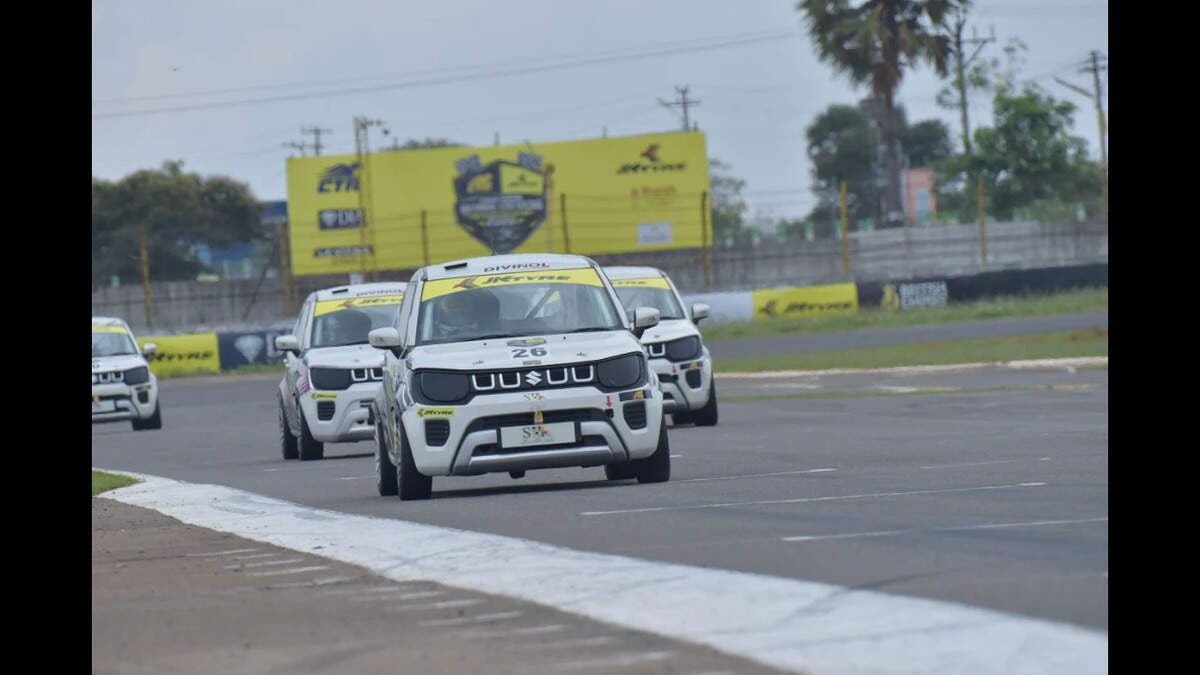
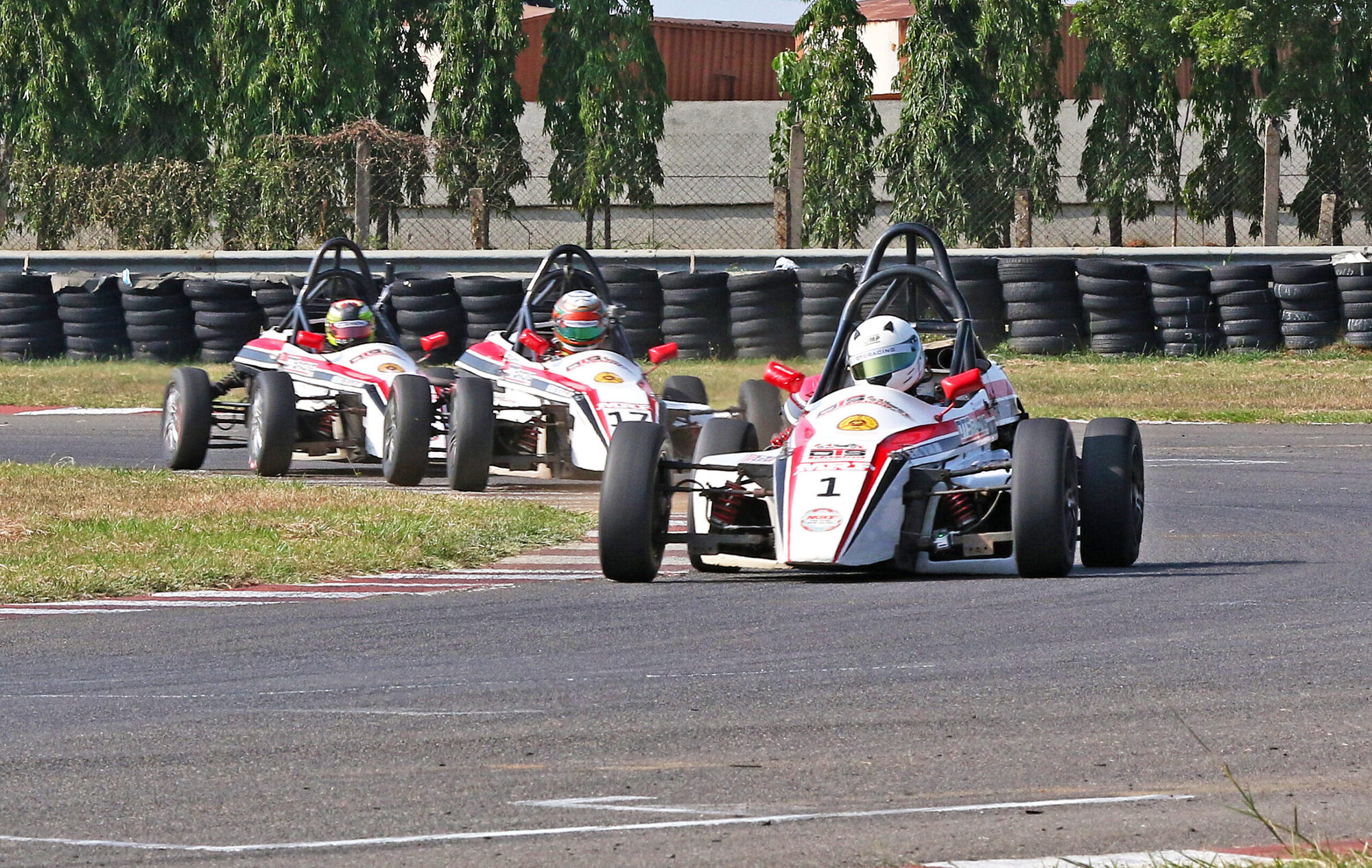
A Levitas Cup car at Kari during the late-October championship opener. The national series returns to the same circuit for Round 2.
The October opener set a record for registrations in the championship’s 29-year history. That number belongs to the whole event programme and should be read as such. The calendar brought together different kinds of circuit competition, from open-wheel categories to touring cars and one-make classes. The range is part of the championship’s appeal, and part of the work needed to run it well.
Round 2 keeps the venue familiar. Teams will return to a circuit they have just raced, with recent data and memories still fresh. That can make preparation more exact. A driver can revisit a braking point while it is still easy to remember. Engineers can compare tyre wear across sessions. Mechanics can identify the small jobs that would make the next turnaround smoother.
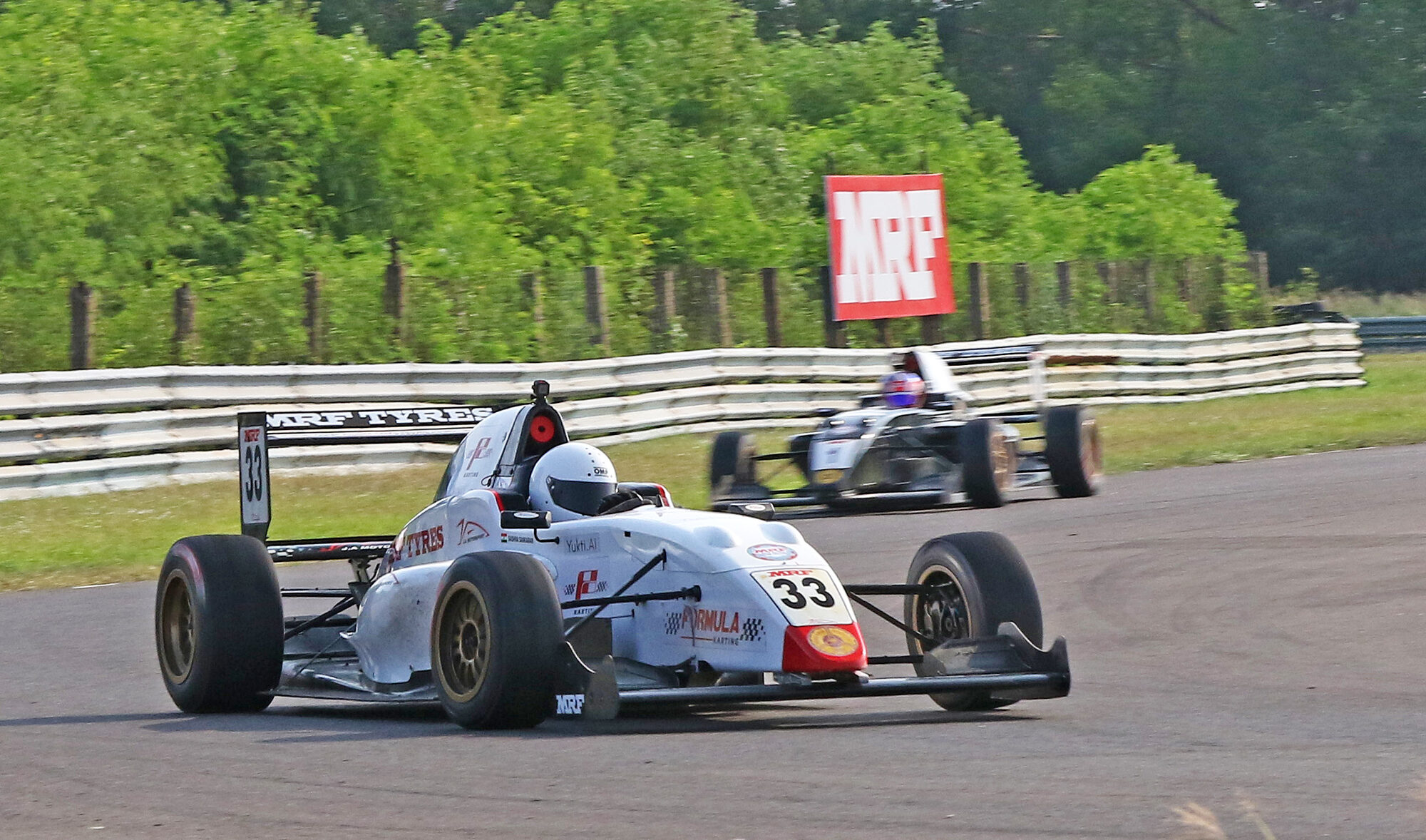
Saishiva Sankaran in MRF Formula 2000 action at Madras in September 2026. This archive photograph shows another part of India’s national circuit scene.Photograph: MRF Motorsport archive
A close opener left several class stories open
Dhruvh Goswami won the first Sunday LGB Formula 4 race by 0.356 seconds. Balaprasath took the second by 0.392 seconds after rain brought out a red flag and shortened the classification. Mehul Agarwal finished second. The two margins showed how quickly a national race can change, with the weather becoming part of the result and the final laps still carrying consequence.
The Continental GT Cup Pro class produced another useful recovery. Anish Shetty started fifth and won. Kabir Sahoch swept the Amateur class. Pratik Sonawane won in Levitas, Biren Pithawalla in Super Touring and Deepak Ravikumar in Indian Junior Touring Cars. The Novice F1300 classification had a 0.004 second gap in the fight for fourth, a reminder that results are often made far beyond the first position.
Those names give Round 2 a set of reference points. A winner has to defend a benchmark. A driver who lost by a fraction can return with a clear target. A new entrant can use the first meeting to understand the field and come back with more confidence. Each class moves through its own championship story, even when the paddock and circuit are shared.
A national LGB Open car at Madras in the 2026 MRF series archive. The CTR-JK field has its own classes and weekend programme at Kari.Photograph: MRF Motorsport archive
The opener showed how quickly a familiar circuit can change the nature of a race. In LGB Formula 4, Dhruv Goswami won Race 1 by 0.356 seconds. Balaprasath took Race 2 by 0.392 seconds after rain and a red flag altered the contest. Those margins are close enough to make every restart, tyre choice and move into a braking zone important. They also show why a result from one race cannot be carried directly into the next.
Rain reorganises the information a driver has gathered. Grip can change across a lap, and a line that felt dependable in the dry may offer less confidence once water moves across the surface. A red flag pauses the race and gives everyone a chance to reset, but it also compresses the remaining distance and changes how much risk seems worthwhile. The Coimbatore results arrived through those conditions. Round 2 begins with the memory of them, then asks the field to start again.
Anish Shetty’s Continental GT Pro win and the class victories for Kabir Sahoch and others widened the opener beyond the single-seater headlines. Each category has its own pace and passing points, which means the programme asks the circuit team to manage different cars throughout the weekend. The championship’s appeal is partly in that variety. A fan can watch several forms of racing at Kari and see how the same surface changes its character as the cars change.
The same circuit can ask a different question
Kari’s lap rewards a driver who looks beyond the corner immediately ahead. A tidy entry can help rotate the car, though the exit is often where the lap time is protected. The line through one bend affects the next. Drivers must balance braking, steering and throttle with a sense of how much grip remains in the tyres.
Returning to the same venue does not make a repeat of the same race. The weather can change. The surface evolves through sessions. Grid position and traffic alter a driver’s options. The first round supplied useful measurements, but Round 2 will be a new competition with its own starts, incidents and decisions. Experience should help. It does not guarantee a result.
The 137 registrations create a practical challenge for the officials and organisers. Technical checks, practice, qualifying, grid formation and recovery must fit into the programme. Each category needs fair track time and a safe sequence. Marshals and recovery crews make it possible for the timetable to continue after a car stops. A packed national weekend relies on this invisible work as much as the racing.
Levitas cars assemble on the Coimbatore grid in a 2026 archive image from Indian circuit racing.Photograph: ViPeople archive
The championship is designed to bring a broad mix of drivers and machines onto the national stage. Its eight categories give space to single-seaters, saloon cars, touring machinery and the Levitas Cup within one event. The entry total of 137 refers to drivers and riders across the Round 1 meeting, so it should be read as a whole-event figure. Across the weekend, organisers scheduled 17 races over the eight categories.
That scale creates a paddock with several routes into competition. Some participants are building experience in a structured class. Others arrive with a more developed race programme and a clear target in the standings. Teams share the practical work of preparation, while each class measures its result on its own terms. The weekend is most useful when the category names stay visible in the reporting, so readers can follow who won and what the win means.
Kari’s return to the calendar gives the series a consistent venue for Round 2. The circuit is home to many of the country’s national-level race meetings, so it is familiar to local teams and officials. Familiarity helps the event settle into its timetable. It still leaves open the sporting questions: which drivers will qualify at the front, how the weather will behave and whether the close margins from Round 1 will carry into another weekend.
Eight categories give the paddock several ways in
A broad programme gives drivers and teams multiple path through the sport. An open-wheel racer works on starts, positioning and the consistency of a light single-seater. A touring car driver has a different set of braking and traffic choices. One-make fields make setup differences smaller and driver execution easier to compare. Junior categories bring developing racers into a competition structure with clear next steps.
That breadth also gives fans more to learn during the weekend. The cars may share a venue, though they ask different questions from the driver. Watching several categories in sequence makes the variety visible. A shorter race in a packed field can be as close as a longer one. A junior result can reveal a future contender. A seasoned racer can show how patience earns a pass.
The next round is part of a longer season
The current JK Tyre calendar lists Round 3 at Kari from 11 to 13 December. The November meeting therefore sits in the middle of a concentrated period for the field. Points earned now will shape the final round. So will the understanding teams build about their cars, rivals and the conditions that repeat at the same track.
Round 2 begins with an unusual advantage: everyone has recent experience of the venue. That should make the preparation more detailed and the margins more interesting. The opener showed that a few tenths can decide a Formula 4 result, rain can change the order and a larger entry list can still produce clean, compelling racing when the event is well managed.
For Coimbatore, the return brings another weekend of national competition to a circuit that has become a home for Indian racing. For the teams, it is a chance to act on fresh evidence. For the standings, it is the next set of points. The first round has given the season its opening chapter. The field now has to write the next one at speed.
A national meeting built from individual races
The CTR-JK Tyre meeting began with 137 registered drivers and riders across its programme. Seventeen races over eight categories made it a substantial weekend at Kari, with each class offering a different route through the event. The total tells us about the scale of the opener. The individual race reports tell us who found speed, who managed changing conditions and where the closest finishes appeared.
The LGB Formula 4 results supplied two immediate reference points. Goswami’s 0.356 second Race 1 win and Balaprasath’s 0.392 second Race 2 margin both came down to less than half a second. In the second race, rain and a red flag made the sequence especially difficult to manage. The outcome demanded a response after the interruption, and Balaprasath found enough pace to take the win.
The other categories widened the event’s result sheet. Anish Shetty took the Continental GT Pro class, while Kabir Sahoch won GT Amateur. The variety matters because the championship is a meeting point for drivers and riders who may be at different stages of their competition careers. A national event works when a class winner can be followed as clearly as the headline race, with the results and categories reported accurately.
Round 2 arrives at the same circuit on 13 to 15 November. That gives the paddock a short interval to review the opener, prepare machinery and return to a venue most of the teams know well. Familiarity can reduce the learning curve, though it does not fix the weather, grid position or traffic. The meeting begins with a clean sheet of race results and the opener’s lessons still fresh in the paddock.
Coimbatore gave the meeting a home crowd and a familiar paddock. The timing showed how close the racing could become when the field reached the final laps. A 0.356 second finish and a 0.392 second finish leave little room for a driver to relax. That closeness attracts attention, but it also makes the official timing and race notes important. The result is decided by the completed distance, including any interruption or restart that changes the race.
The Round 2 schedule spans 13 to 15 November, giving teams practice and qualifying time before the race programme. Kari’s layout is familiar to the national paddock, and the recent opener has supplied fresh reference points. Teams can look back at the first meeting to understand where speed was found and where time was lost. They then have to convert those observations into a setup for a different weekend, with conditions and grids still to be determined.
A championship with eight categories also needs results presented in a way that keeps the separate contests clear. The LGB F4 race winner is not the same measure as a GT Pro victory or a Levitas Cup result. The shared paddock brings those stories together, while each class retains its own standings and participants. That is why a national racing report should move from headline result to class detail, giving the people in every part of the programme their proper place.
Comments0
Join the ViPeople conversationSign in with Google to comment, like and save stories.Continue with Google