
The K1000 Still Makes a Rally Crew Earn Every Kilometre
The 2025 Karnataka 1000 produced a TSI Racing one-two, a historic INRC2 win for Pragathi Gowda and a finish rate that explained why this rally still matters.
Created using advanced editorial technology. Reviewed and approved by ViPeople.
Photograph: TSI Racing- Edition
- 2025 Karnataka 1000 Rally
- Location
- Gubbi / Tumakuru, Karnataka
- Overall winner
- Dean Mascarenhas / Gagan Karumbaiah
- Team result
- TSI Racing one-two
- Finishers
- 28 of 60 starters
- INRC2
- Pragathi Gowda / Chandramouli M
The K1000 is old enough to have a memory of Indian rallying that reaches beyond any one generation. Its 2025 edition showed why that memory still has to be earned by every crew.
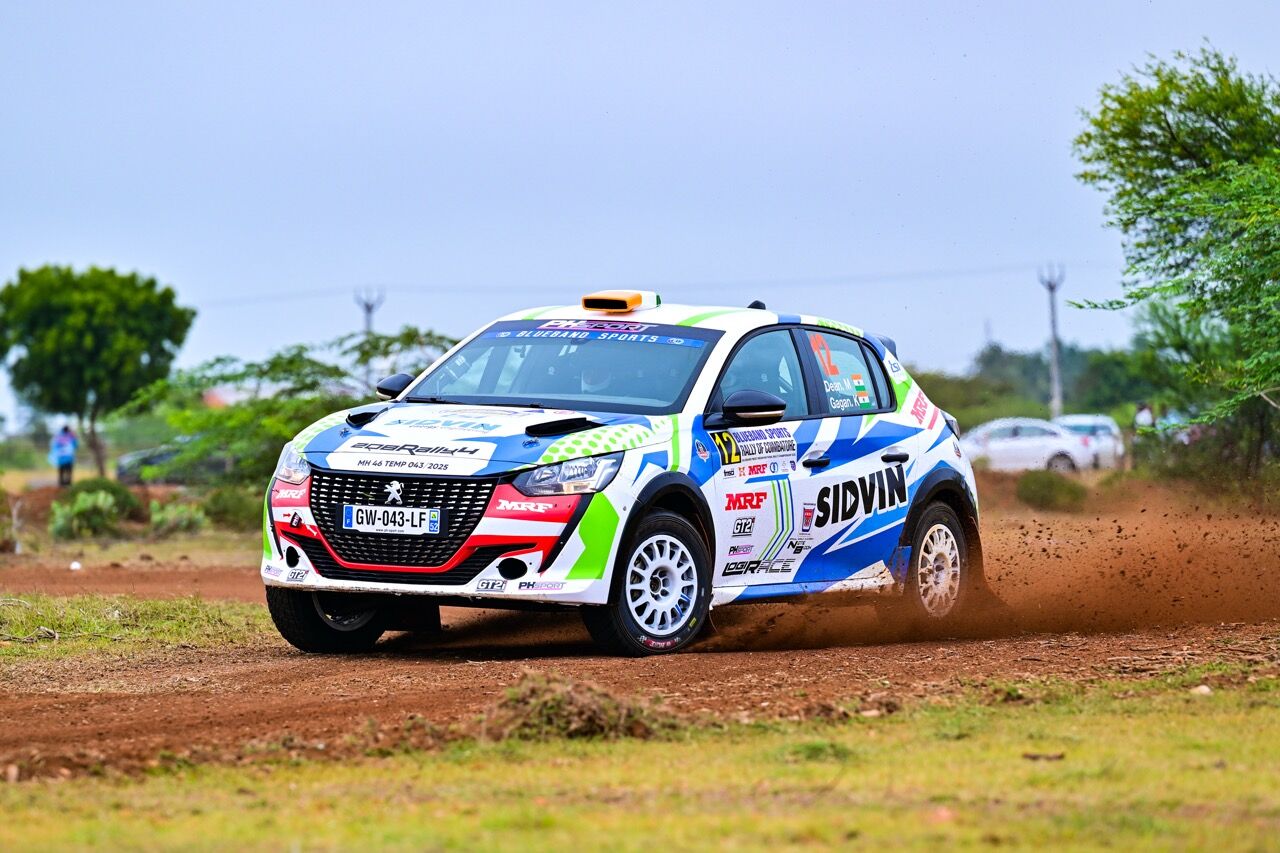
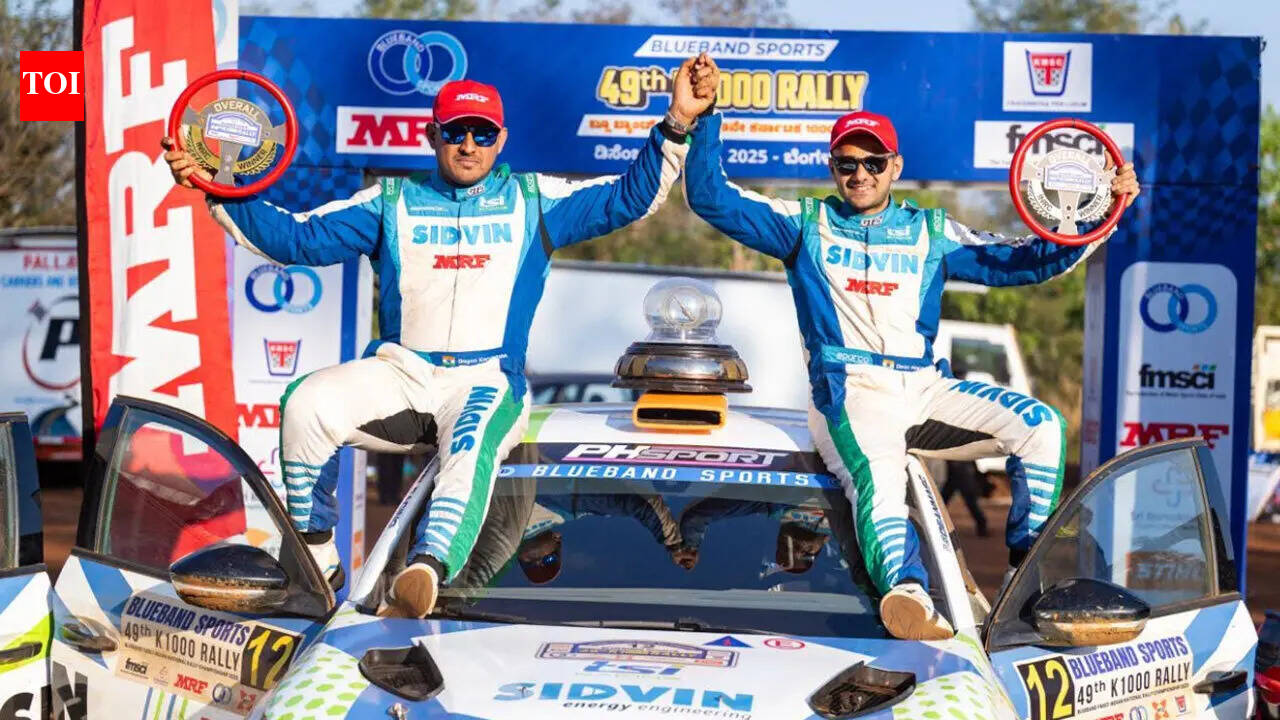
Run around Gubbi near Tumakuru, the rally produced a dominant result for TSI Racing. Dean Mascarenhas and Gagan Karumbaiah won overall, with Aditya Thakur and Virender Kashyap completing a one-two for the team.
A result sheet with a warning underneath
Only 28 of the 60 starters finished. That single number explains the K1000 better than any slogan. The stages were rough enough to remove experienced crews, including leading names who had been in the fight before mechanical problems and the long Thirtharama stage changed the order.
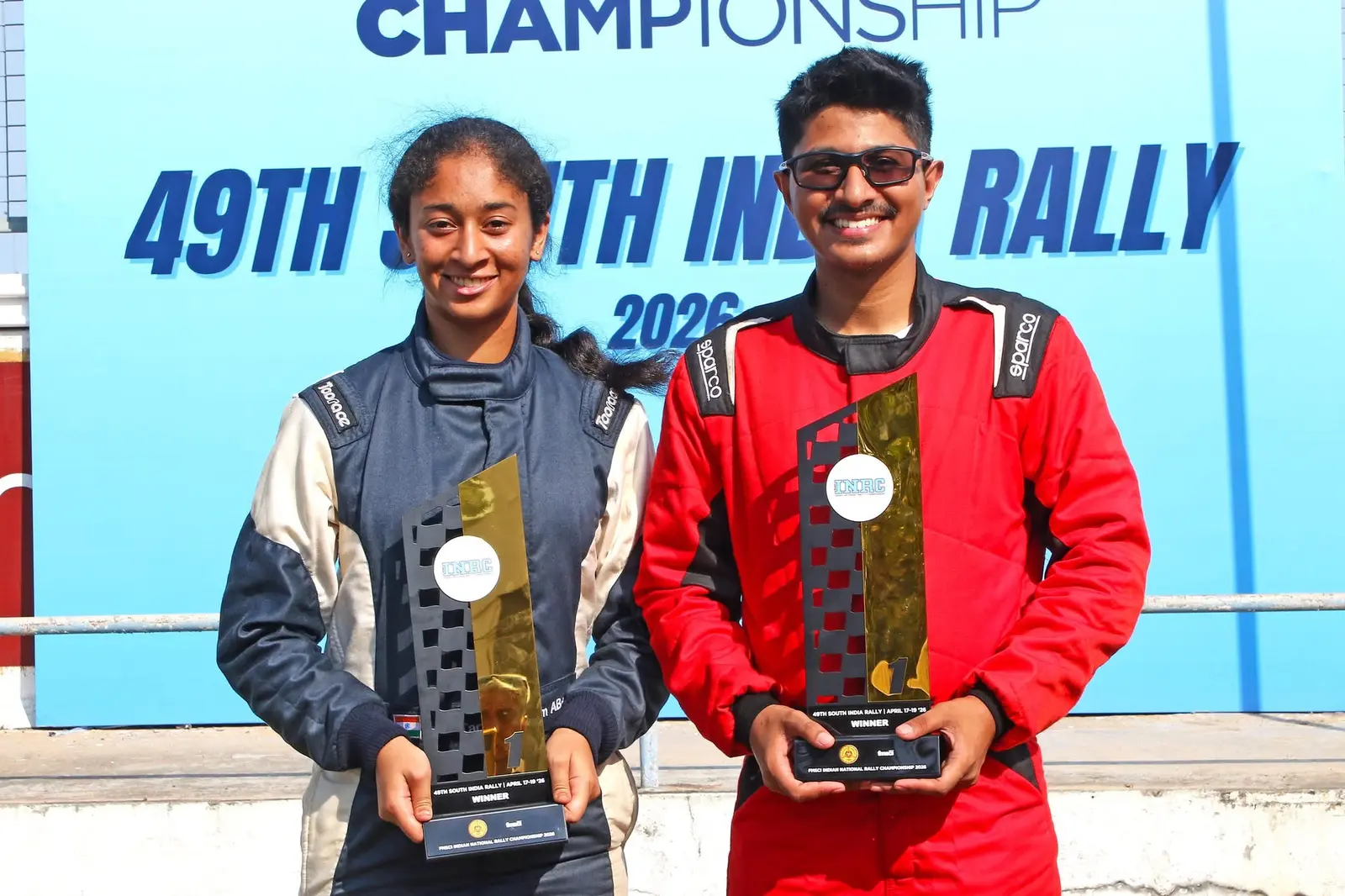
Pragathi Gowda and Chandramouli M made their own history by winning INRC2, while Chettinad Sporting’s Shashank Jamwal and Raghuram Saminathan placed third overall and won INRC3. Athira Murali added another strong Chettinad result by finishing sixth overall and taking the Women’s class.
That is the K1000’s enduring value. It can hold the championship fight, the team story, the class breakthrough and the privateer surprise in the same weekend. The rally writes its history through the crews who drive it.
The road decides what the result means
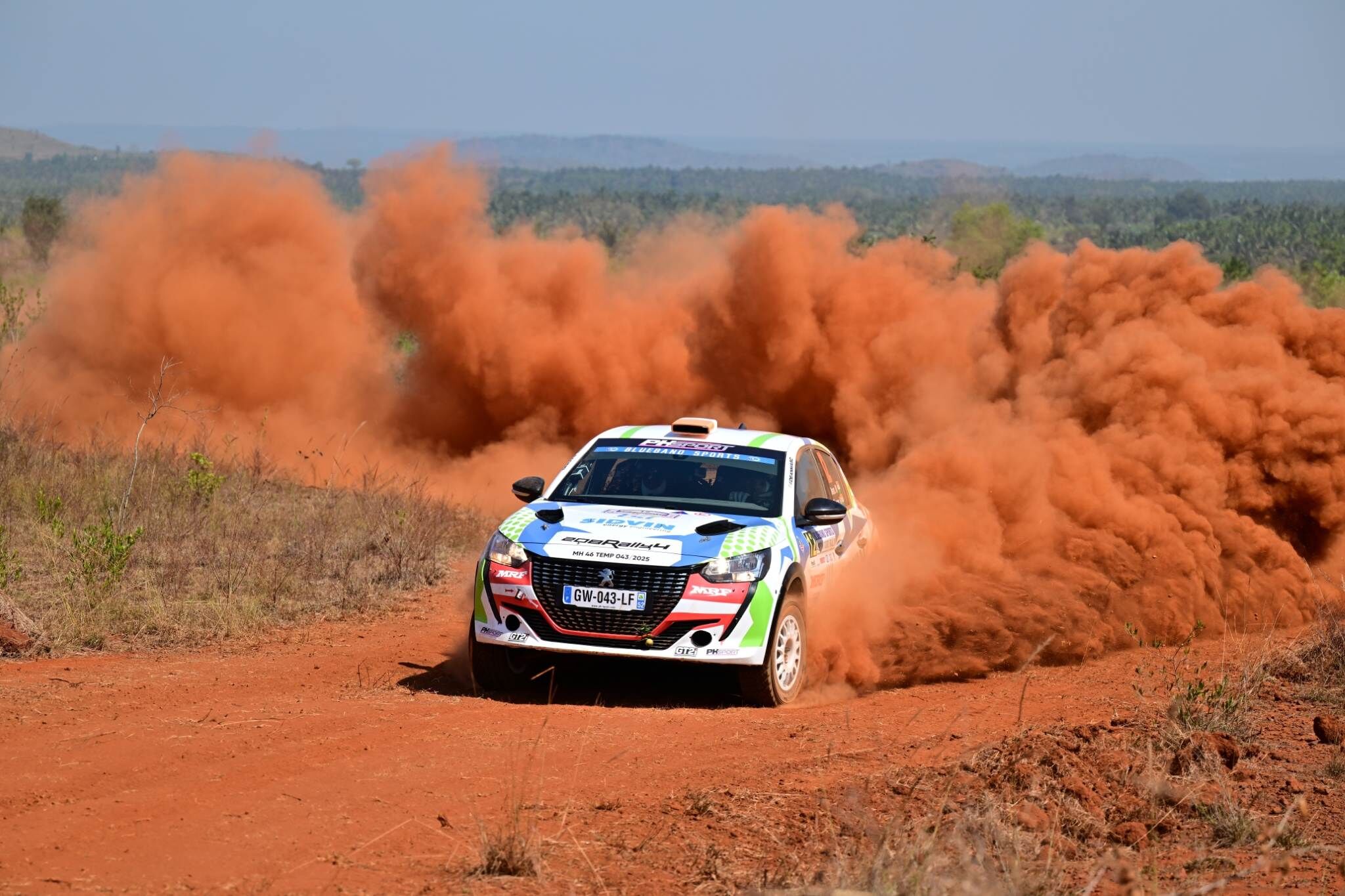
The K1000 has always carried an element of truth. A short sprint can reward a brilliant burst of speed, while a long rally keeps asking the same question in different forms. Can the crew protect the tyres, manage the car, read the surface and stay mentally sharp when the road becomes repetitive? Around Gubbi, the answer changes from one stage to the next, which is why the rally can look calm on a timing sheet while feeling exhausting inside the car.
TSI Racing handled that demand with impressive depth. Dean and Gagan won the rally, while Aditya and Virender gave the team the one-two that showed how much information was moving through the operation. The team could compare two cars, two sets of feedback and two ways of reading the same rough ground. That is a powerful advantage when the rally is removing entries faster than the paddock can replace them.
Gowda’s INRC2 win added the human moment. Her result sat within a weekend dominated by a factory-like team performance, yet it carried its own weight because it came through the same difficult stages. The K1000 remains valuable precisely because it leaves room for several kinds of achievement. A dominant team, a breakthrough driver and a hard-earned finish can all belong to the same story.
The long rally reveals the real team
The K1000 rewards crews that remain precise after the excitement of the first stage has faded. The route keeps returning with new demands, and the surface asks the car to absorb another impact, another braking zone and another change in grip. A calm service park becomes a competitive advantage.
TSI Racing’s one two showed the strength of shared information. Dean and Gagan led, while Aditya and Virender gave the team another set of evidence from the same roads. Engineers can compare the cars, and the service crew can turn that information into action before the next run.
Gowda’s class win added a separate human note. Her result showed that a weekend can hold a dominant team performance and a breakthrough of its own. That mixture is part of what makes the K1000 worth following.