
Suzuki Gives the Hayabusa a Special Edition in Blue and White
The 2026 Hayabusa Special Edition reaches India at ₹19.90 lakh, pairing Pearl Vigor Blue paint and distinctive white detailing with the familiar 1,340cc four-cylinder engine.
Created using advanced editorial technology. Reviewed and approved by ViPeople.
Photograph: Suzuki Motorcycles- India launch price
- ₹19.90 lakh, ex-showroom Delhi
- Edition colour
- Pearl Vigor Blue with white detailing
- Engine
- 1,340cc inline four-cylinder
- Maximum power
- 190PS
- Maximum torque
- 150Nm
- Special-edition details
- White kanji graphic, matching solo cowl, revised wheel finish and edition badge
Some motorcycles announce themselves through noise. The Hayabusa has always had a quieter kind of confidence: a long, low shape, a broad fairing and the sense that it was drawn to make distance feel smaller. Suzuki’s 2026 Special Edition gives that familiar outline a fresh blue and white identity, then lets the silhouette do the rest.
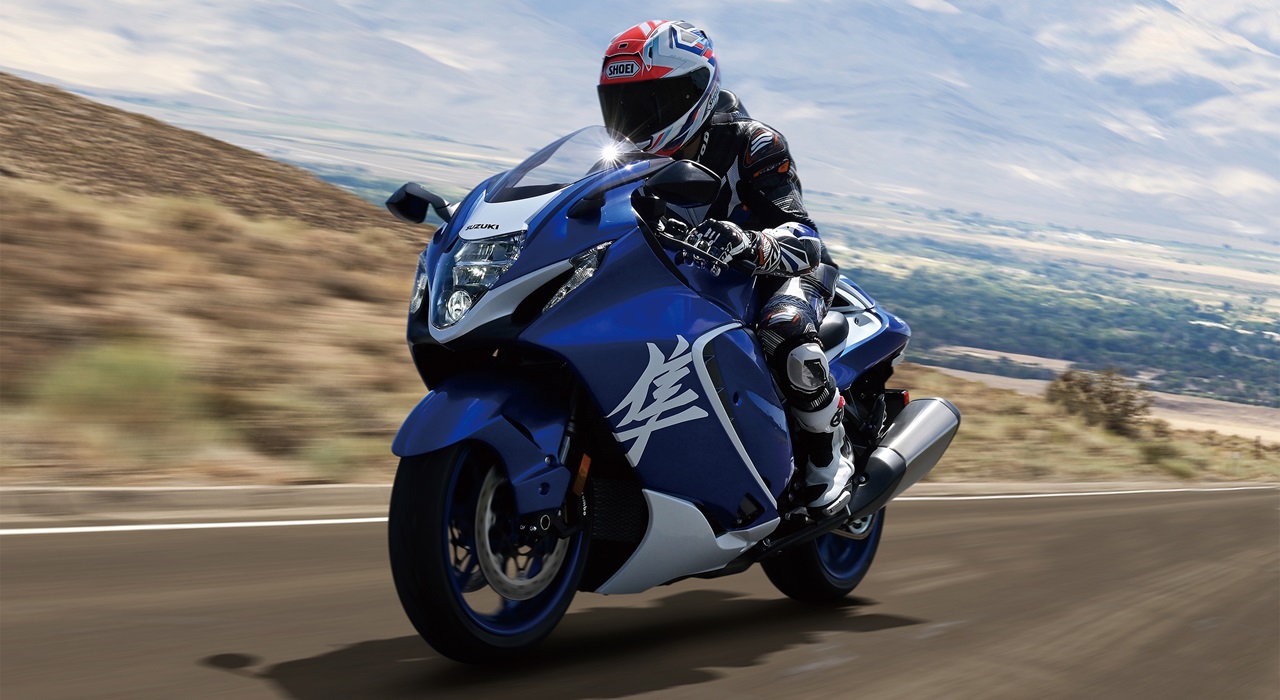
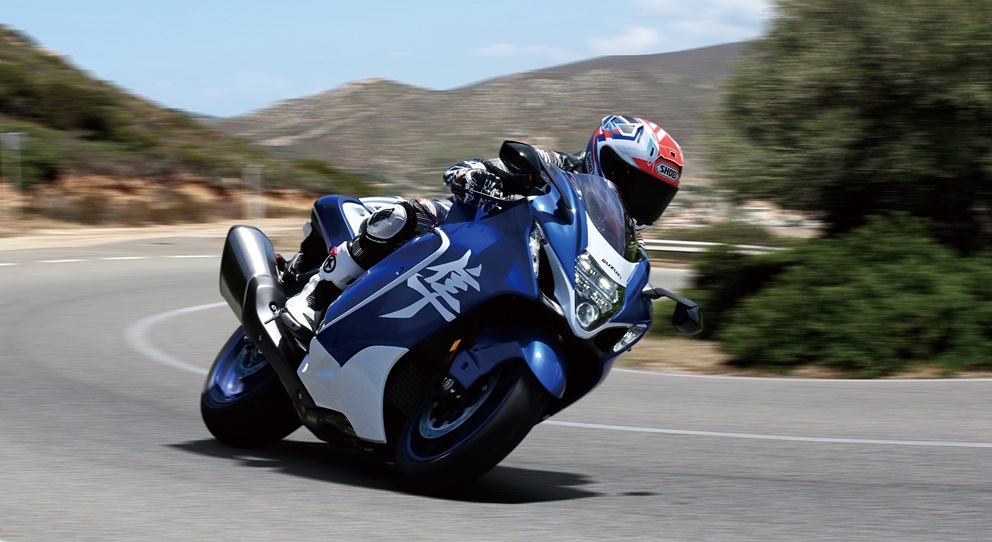
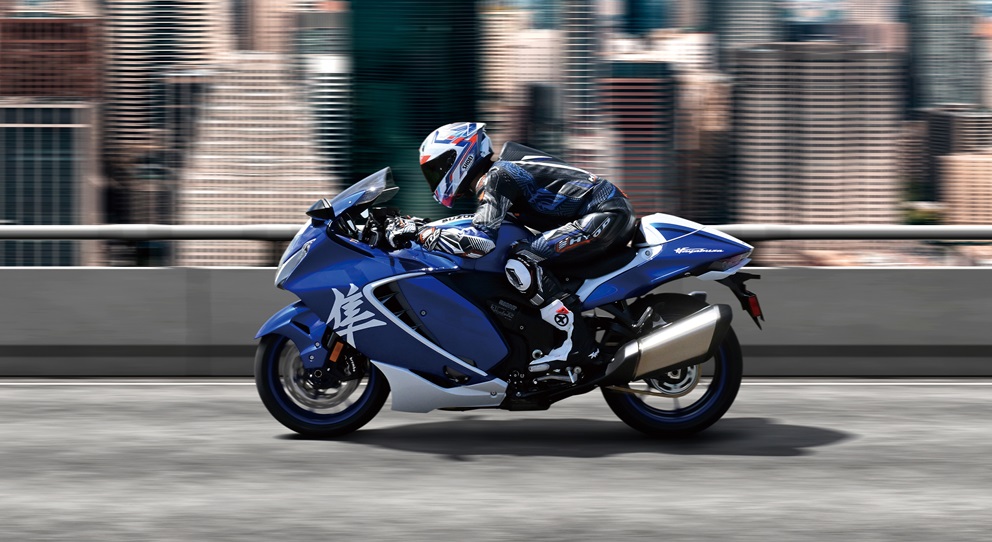
The Special Edition has reached India at ₹19.90 lakh, ex-showroom Delhi. Its central change is visual. Pearl Vigor Blue paint carries white detailing, including the Japanese kanji associated with the Hayabusa name. A matching solo cowl, a special-edition badge and a revised wheel finish complete the package. The result is specific enough to be recognised across a room or a service bay, while keeping the original bike’s carefully balanced proportions intact.
A special edition built around recognition
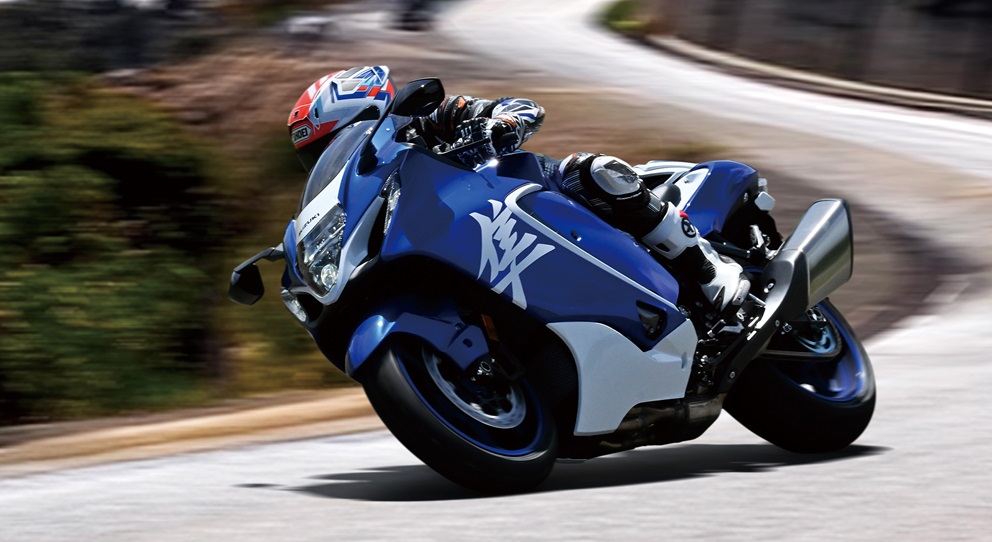
The colour choice matters because the Hayabusa is already an unusually complete visual object. Its fairing has a distinctive nose, a broad shoulder over the front wheel and a tail that rises cleanly behind the rider. Blue gives the body a strong single colour field. White lettering and the solo cowl break that field into details the owner can recognise immediately. The edition gains meaning through its finish as well as its name.
A special-edition colour has a particular job on a motorcycle that has been familiar to riders for years. It has to create a fresh moment while keeping the lines that made the original recognisable. This one lets the bodywork remain visible and gives the graphics a deliberate place to sit. The white mark crosses the blue fairing with enough contrast to read at a glance, while the cowl carries the same colour story to the back of the bike.
The kanji graphic connects the edition to the motorcycle’s Japanese identity. The matching cowl changes the view from behind and gives the bike a more purposeful solo profile. Even the wheel treatment has been considered, so the visual theme continues down to the moving parts. These are modest changes on paper. Together they give this version a character that belongs to this edition alone.
The familiar four-cylinder heart remains
Under the new finish sits the Hayabusa’s 1,340cc, liquid-cooled, four-cylinder engine. Suzuki lists maximum power at 190PS and maximum torque at 150Nm. The engine’s broad capacity has always been part of the bike’s grand-touring appeal: the numbers promise a large reserve, while the fairing and riding position give that performance a setting made for open roads and long days.
The 2026 specification also carries Suzuki Intelligent Ride System electronics. Its rider aids include adjustable traction control, power modes, launch control, engine-brake control, hill-hold support, a bi-directional quickshifter and cruise control. Suzuki says the latest control programme refines launch-control engine speeds and allows cruise control to remain active when the rider changes gear with the quickshifter. Those refinements speak to how the motorcycle is used as much as how quickly it can accelerate.
The electronics are easiest to understand as tools for shaping the ride. Power modes let the rider choose an engine response. Traction and engine-brake settings help tailor how the motorcycle behaves as conditions change. Launch control is available for a controlled start, while the quickshifter reduces interruption when shifting up or down. Cruise control gives the rider another way to settle into a longer, steady stretch of road.
That equipment list matters because the Hayabusa’s performance is only one part of its character. The same motorcycle has to pull away smoothly, hold a composed line and remain manageable through a varied day. Electronics can make those transitions more consistent when chosen thoughtfully. They still leave the rider responsible for reading the road and setting a safe pace, which is the judgement every fast road motorcycle asks for.
Price, presence and the long view
At ₹19.90 lakh ex-showroom Delhi, this edition asks buyers to choose it for the finish and the sense of occasion that comes with owning a defined run of the model. Suzuki’s launch material places the emphasis on those exclusive visual details. It does not announce a separate performance figure for the Special Edition, so the appeal rests on design, equipment and the Hayabusa’s established mechanical character.
For an owner, the distinction begins long before the engine starts. The blue finish and white graphic are visible when the bike is parked, and the solo cowl gives a different profile from the usual two-seat outline. That is the point of a carefully specified edition. The rider can enjoy those details on an ordinary day, with the finish visible long before the next service visit.
That is a credible brief for a motorcycle with such a settled identity. The Hayabusa has been shaped over generations by aerodynamic work, high-speed stability and the expectation that a rider may cover a great distance in a single day. A special colour can bring fresh attention to those qualities without changing the way the motorcycle meets the road. Here the blue gives the machine a new signature, while the white kanji and solo cowl make the edition feel complete.
A familiar shape with a more personal finish
The strongest special editions understand what owners already value. This Hayabusa keeps its large-capacity engine, long-distance equipment and unmistakable fairing. It adds colour, trim and small pieces of presentation that make the bike feel chosen. For riders drawn to the Hayabusa’s scale and reach, the new edition offers a sharper visual reason to make that choice now.