
Narola’s F4 Double and Alva’s IRL Win Close the Buddh Weekend
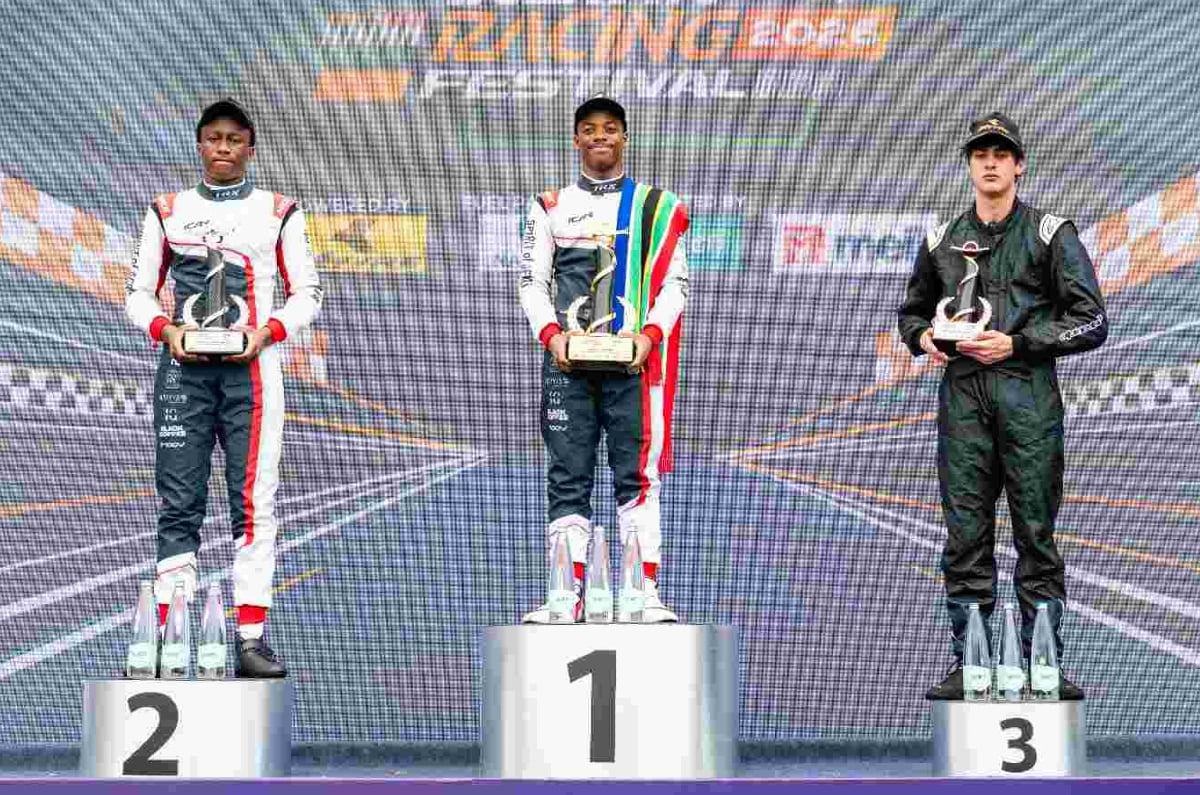
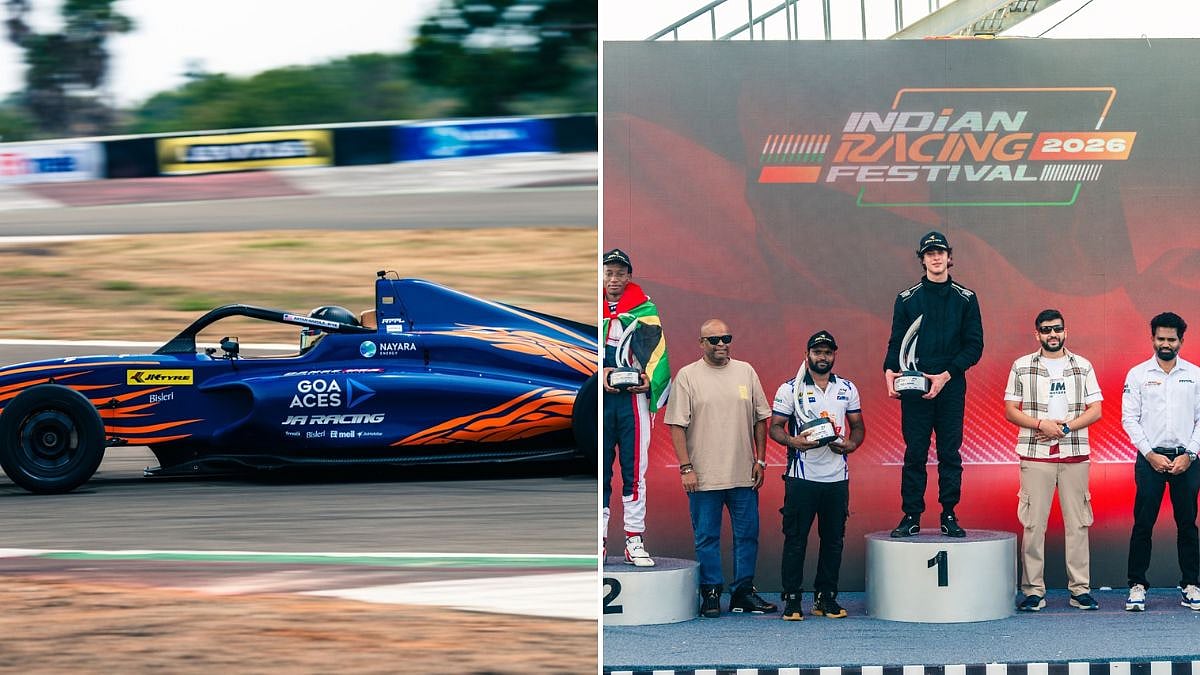
Aryan Narola won both Sunday races in the F4 Indian Championship, while Ruhaan Alva took the second Indian Racing League race as the Indian Racing Festival completed its Buddh International Circuit weekend on 1 November.
Photograph: Free Press Journal / F4 India Round 1- Venue
- Buddh International Circuit · Greater Noida
- Dates
- 31 October to 1 November 2026
- F4 Sunday races
- Aryan Narola · two wins
- IRL Race 2
- Ruhaan Alva · Kichcha’s Kings Bengaluru
- Saturday IRL Race 1
- Raoul Hyman · Goa Aces JA Racing
- Saturday F4 race
- Ntiyiso Mabunda · Speed Demons Delhi
- Championship rounds
- F4 India Round 4 · IRL Round 2
Buddh International Circuit gave the Indian Racing Festival a weekend with two different closing moments. Aryan Narola swept both Sunday races in the F4 Indian Championship. Ruhaan Alva won the second Indian Racing League race for Kichcha’s Kings Bengaluru. The results brought the two-day meeting to a finish on 1 November, with the circuit’s long straights and fast corners providing a demanding backdrop for the national fields.
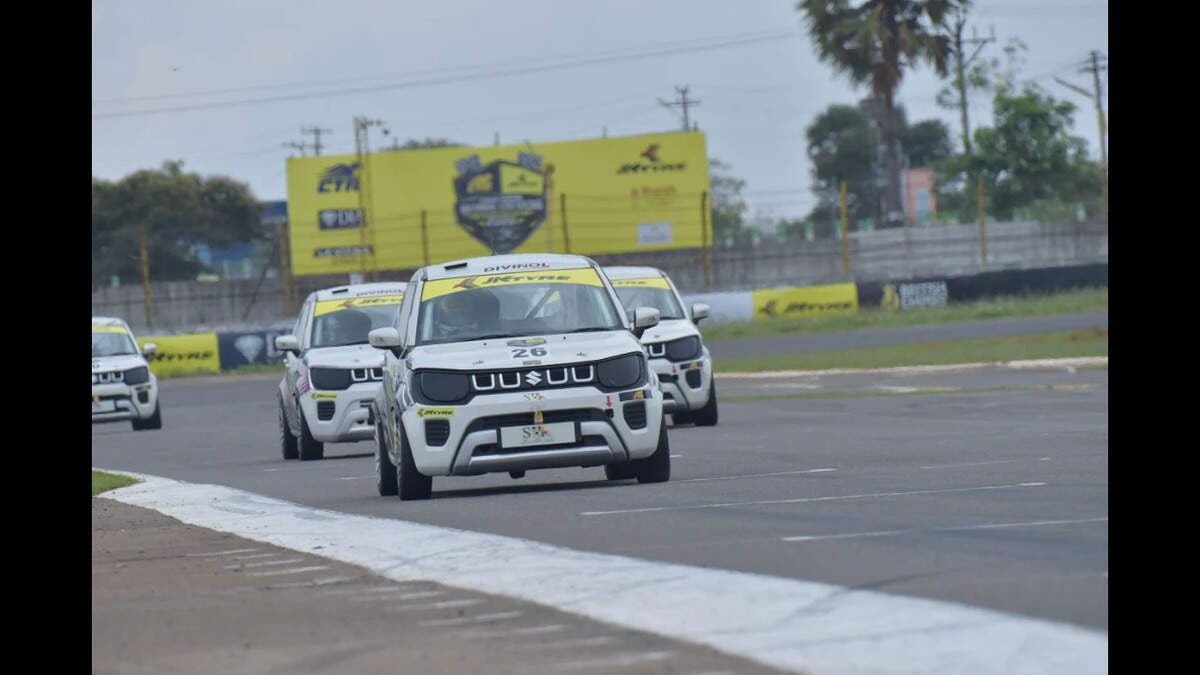
The meeting brought F4 India and the IRL to Greater Noida for separate rounds within one event programme. F4 India was at Round 4 of its championship. The Indian Racing League was contesting Round 2. That shared setting gave spectators a broad view of the domestic circuit scene, though the drivers were working towards different points tables and team objectives.
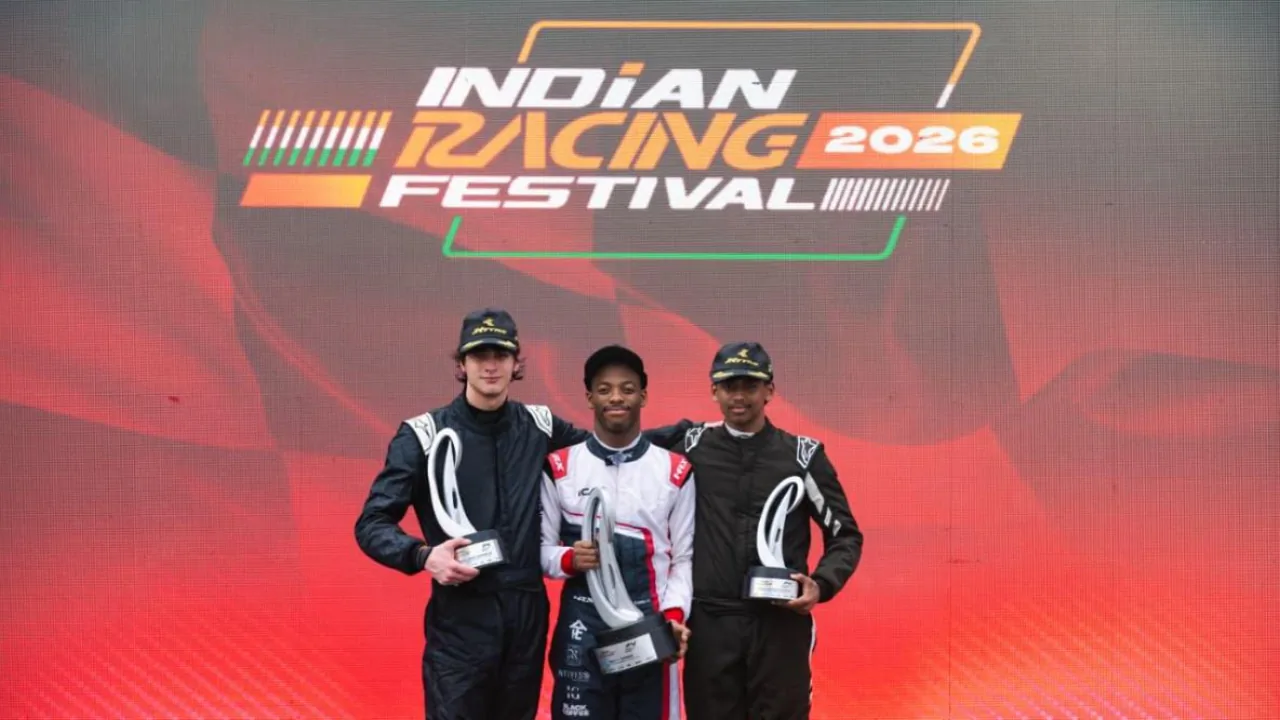
Narola’s double was the clearest Sunday result. The Goa Aces JA Racing driver won both F4 races, turning the final day into a strong statement in a championship that had been led into the weekend by Luviwe Sambudla. The event reports confirm the pair of victories. Full classified tables and the updated championship standings should be read from the championship’s official results once they are published.
A double win on a circuit with scale
Buddh gives young single-seater drivers a different set of references from the shorter club circuits that form much of the Indian calendar. The 5.125 kilometre lap has long straights, substantial braking zones and flowing sections that reward a driver who can carry speed without losing the next corner. A strong result depends on multiple quick lap. It asks for a repeatable line, a clean start and an ability to keep the car balanced when the tyres begin to change.
Narola’s two victories show that he and his team were able to convert the weekend into points twice. A double is especially valuable late in a round because the first result gives the rest of the field a clear target. The second race asks the leader to respond to pressure with another start and another set of decisions. The reported outcome gives Narola a weekend to build on as the series continues.
A double win also gives a driver multiple kind of evidence. The opening race asks for a clean launch and a disciplined first lap. The next one arrives after teams have studied the earlier classification and made adjustments. Tyre condition, traffic and the timing of a safety car can change the opportunities. Narola’s Sunday result records the finish order. The full official classification will show the lap totals and margins that explain how each race developed.
The circuit’s length gives the field room to spread out, but it does not remove pressure from the close parts of the lap. Drivers have to balance the straight line speed that helps on the long run with a stable platform through the fast changes of direction. A small loss on exit can follow a car down the next straight. Those details matter in F4, where the cars are closely matched and a driver’s choices can become decisive.
For the crews, the weekend is also a test of how quickly a set-up can be adapted to a circuit with a different rhythm. A team arrives with simulations and prior notes, then has to check those expectations against actual track conditions. The engineers listen to the drivers, read the data and choose which changes are likely to help. Narola’s two wins give his team a strong result to review alongside that technical work.
The event brought a renewed competitive focus to a circuit long associated with Formula One’s Indian years. A return to BIC matters because race tracks become meaningful through use. Drivers need mileage there. Mechanics need a reason to prepare cars for its layout. Fans need a date that makes the venue feel active again. A two-series festival gives the circuit a wider programme and gives each championship the chance to be seen by people who may be discovering it for the first time.
Alva finishes the IRL programme with a win
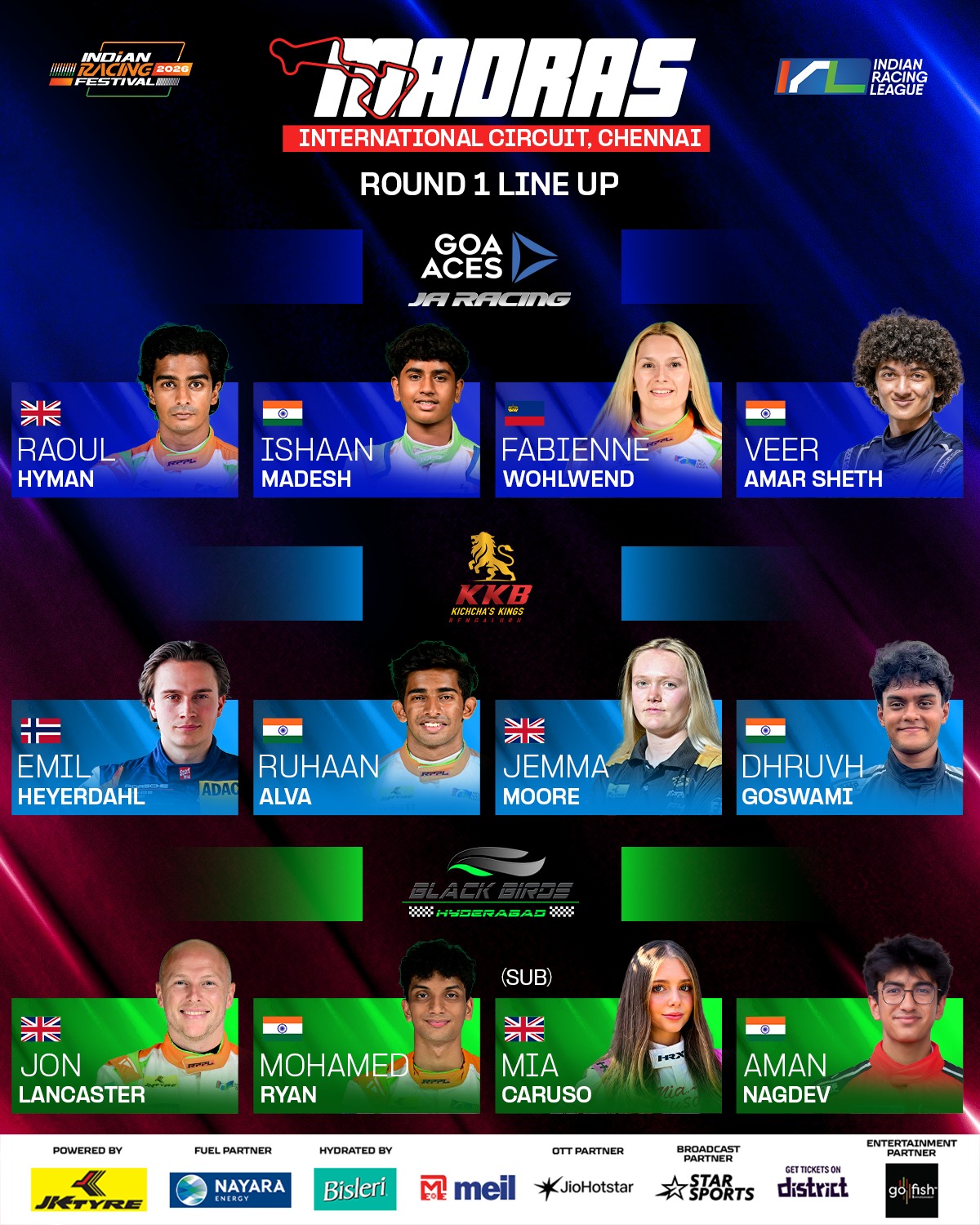
The Indian Racing League gave the weekend a team-based thread alongside the F4 title contest. Ruhaan Alva took the second IRL race for Kichcha’s Kings Bengaluru. The first IRL race on Saturday had been won by Raoul Hyman for Goa Aces JA Racing. Those two names leave Buddh with a pair of different race winners and two team stories to follow into the next round.
The IRL’s city identities change the way a spectator can follow the field. The format gives each team a local connection, while the driver line-up puts individual craft at the centre of the race. It also gives the event organiser a way to introduce the sport to a broader audience. A fan can arrive behind a city team and leave with a favourite driver, a rival to watch or a reason to follow the next meeting.
Alva’s win is a useful result for Bengaluru’s team because it closes the weekend with a Sunday victory. Hyman had given Goa Aces the earlier IRL win. The event therefore did not belong to a single squad across every category. The two-series programme produced a spread of winners, which is good for the competitive shape of a championship that needs several teams to believe a strong weekend is available to them.
The city-team identity gives the IRL a simple way for a new spectator to follow the field. It also places a wider group of drivers inside the same programme. The line-up can include Indian and international experience, while the team names connect the cars to places and supporters beyond the circuit. A result for one team has a local story attached to it, and the next round gives other cities another chance to answer.
Hyman’s Saturday win and Alva’s Sunday win create an easy point of reference for the next event. The two results show that the IRL programme at Buddh had multiple team capable of finishing first. That is valuable for a series building its audience. Close competition is easier to follow when the winner changes, the rivalries make sense and supporters can recognise the people and colours from one meeting to the next.
Saturday’s winners set the tone
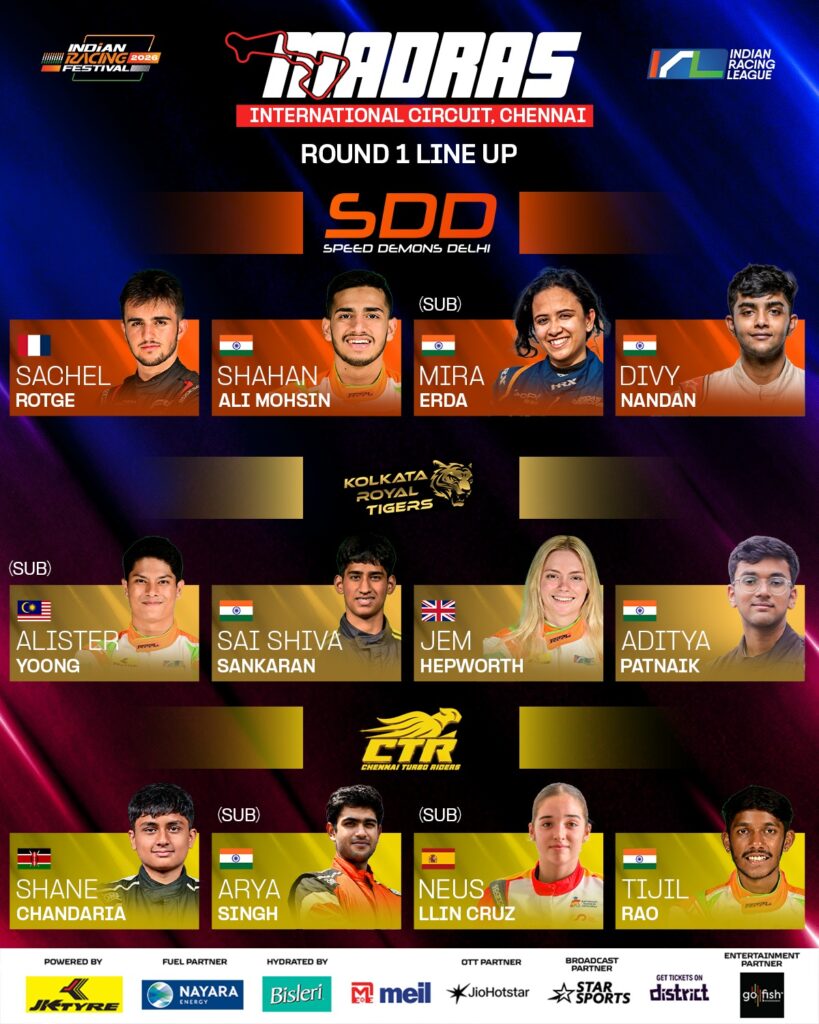
The opening day had its own winners. Hyman took the first IRL race for Goa Aces JA Racing. Ntiyiso Mabunda won the Saturday F4 race for Speed Demons Delhi. Those results set up a final day that still had room for new names at the top. Narola then won both F4 races on Sunday, while Alva took the closing IRL contest.
The timing is worth keeping straight in a weekend that contained multiple races across two championships. Saturday’s IRL winner was Hyman. Saturday’s F4 winner was Mabunda. Sunday’s F4 double belonged to Narola. Sunday’s second IRL race went to Alva. These distinctions help readers follow the separate results without treating the festival as one combined competition.
For the drivers, the sequence meant turning the first day’s information into a response. A practice lap can reveal where a circuit is fast, but racing adds traffic, pressure and consequences. The crew has to make adjustments without losing a working balance. The driver has to decide when to defend, when to use a slipstream and how much space to leave through the corners. Each race carries another chance to learn the track.
The championship road continues
A race weekend can end before its wider story does. The official F4 and IRL calendars provide the next reference points for the teams, while the updated standings will show exactly how the Buddh results alter the title picture. Narola’s double should strengthen his position. The precise points total and the places behind him need to come from the formal classification rather than an estimate drawn from headlines.
BIC’s return to the event calendar also leaves the organiser with a foundation for its next visit. The teams now have fresh data for the circuit. Drivers can compare their lines with what they learned during these races. Spectators have seen how the F4 and IRL formats work when they share a venue. The second meeting can build on those things instead of starting the explanation from the beginning.
The Indian Racing Festival has always needed a calendar people can plan around and a racing product that gives them a reason to stay. Buddh supplied the scale of a world-class circuit. The F4 field gave the weekend a clear individual contest. The IRL added team identity and local loyalties. Together, those parts made the closing day legible even to a newcomer: Narola won twice, Alva ended the IRL programme with victory, and the season now moves towards its next rounds.
For Narola, the double is the result that will be remembered first from Sunday. For Alva, the IRL win gives Bengaluru a strong finish to the visit. For the championship, the final standings will determine how large those achievements become. The next step is to match the reported race results with the official classification, then carry the points table into the next event. Buddh has given the season a new set of names to watch.